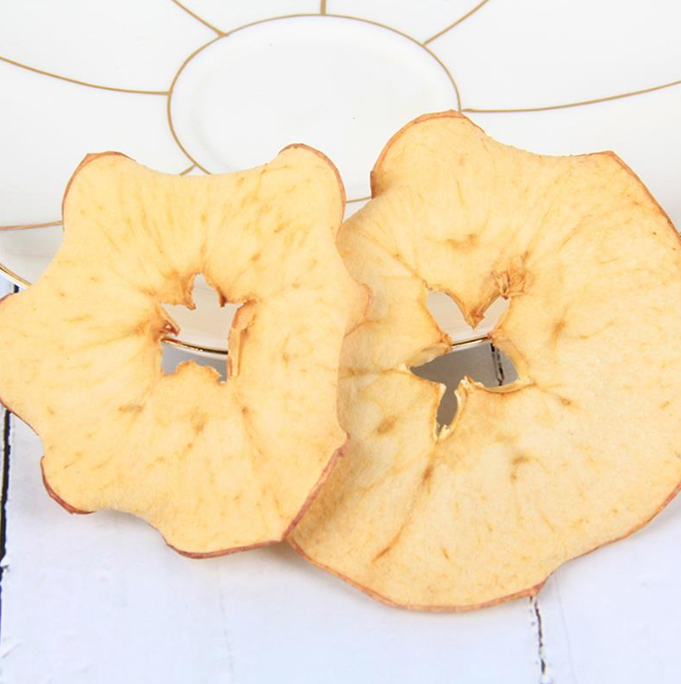
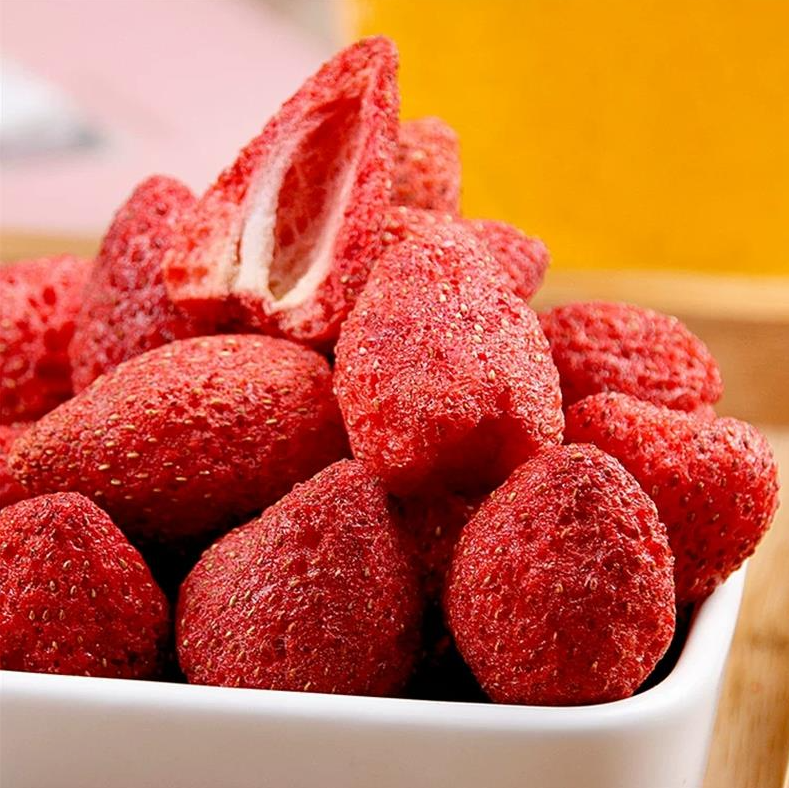
A freeze-dried fruit sample can look excellent in a pouch and still behave very differently on a production line. Strawberry slices may break during blending, mango dices may separate from lighter cereal pieces, and fruit powder may absorb moisture during handling. For purchasing, quality and product-development teams, choosing a supplier is therefore not only about taste or price. The ingredient must also perform consistently in the finished product.
This guide explains how food manufacturers can test freeze-dried fruit ingredients before placing a bulk order. It focuses on practical sample trials, specification checks and questions that help buyers compare suppliers on the same basis.
1. Define the application before requesting samples
Start with the finished product rather than a general list of fruits. Tell the supplier where the ingredient will be used, when it enters the process and what happens after dosing. A fruit format suitable for a cereal topping may not be the right choice for a baked granola cluster, yogurt mix-in or beverage powder.
- Cereal and granola: consider mixing, conveying, drop height, segregation, dust and the number of visible pieces in each pack.
- Yogurt and dairy: define whether the fruit is a separate topping or mixed directly into a wet base, and how long it will remain in contact with moisture.
- Bakery and confectionery: record heat exposure, mixing pressure and the desired appearance after baking or coating.
- Powdered blends: check dispersion, flow, color strength and compatibility with the other dry ingredients.
A clear application brief helps the supplier recommend a suitable format and makes quotations easier to compare.
2. Compare the right fruit formats
Freeze-dried fruit is commonly supplied as whole fruit, slices, dices, smaller pieces or powder. Availability depends on the fruit and current production. Each format serves a different purpose.
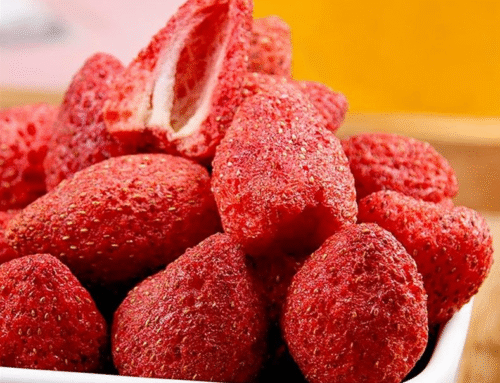
- Whole fruit or large pieces create a premium visual effect but may need gentler handling.
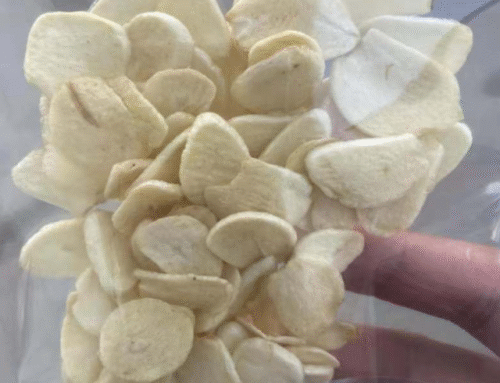
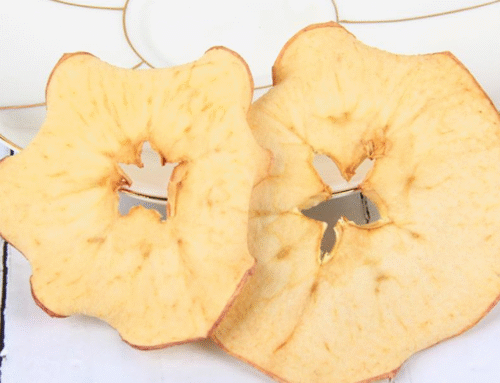
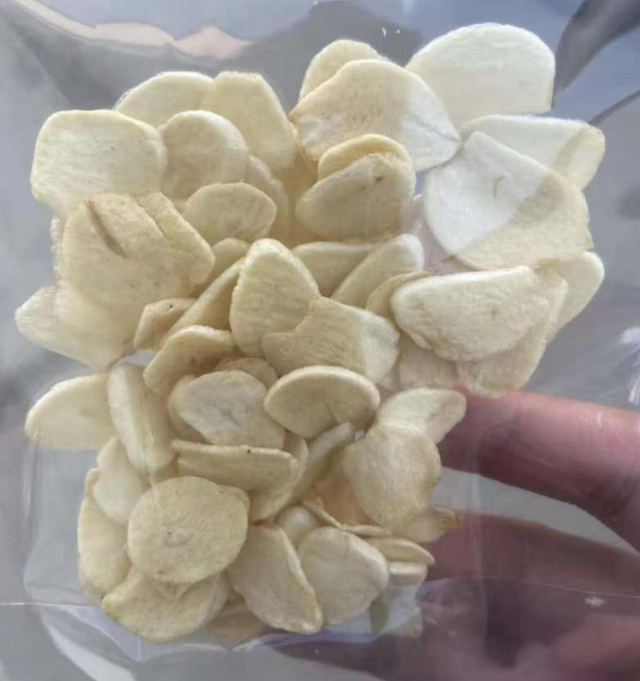
- Slices keep a recognizable fruit appearance and work well when the product needs visible inclusions.
- Dices and small pieces can distribute more evenly through cereal, granola and snack mixes.
- Powder provides more uniform flavor and color when intact pieces are not required.
Ask for samples in the formats you may actually buy. Testing one format and ordering another leaves too much uncertainty.
3. Build one comparison sheet for every supplier
A product name is not a complete specification. Two offers for “freeze-dried mango dices” may differ in cut size, ingredient statement, fines, sensory quality, packaging and testing methods. Send every supplier the same requested fields:
- fruit type and country of origin;
- ingredient statement and any added sugar, carrier or processing aid;
- target cut size and acceptable size range;
- color, aroma, flavor and texture expectations;
- moisture or water-activity requirements and test method;
- microbiological, pesticide-residue, foreign-material and allergen requirements for the destination market;
- definition and measurement method for fines and broken pieces;
- inner packaging, carton protection, net weight and storage conditions;
- specification sheet, certificate-of-analysis fields and traceability information.
Do not copy generic numerical limits into a purchase specification. Your quality team should approve the limits and methods that match the product, process and market.
4. Test distribution, breakage and fines
Freeze-dried fruit has a light, porous structure. Pieces can move through a blend differently from cereal, nuts, chocolate or other inclusions. During a pilot run, check samples from the beginning, middle and end of filling. This shows whether the fruit remains evenly distributed instead of collecting in one part of the batch.
Record feeder type, batch size, mixing time, line speed, drop height and the point where the fruit is added. If breakage is high, these notes help determine whether the cause is the ingredient, packaging or handling system.
Define “fines” clearly. Agree on the sieve size, sample quantity, sampling location and calculation method. A percentage without a shared method can produce different results at the supplier’s and buyer’s facilities.

5. Evaluate the fruit inside the finished product
Incoming inspection is useful, but it cannot predict the full consumer experience. Run a controlled application test with all non-fruit ingredients kept the same.
- Prepare a control formula and record the exact processing conditions.
- Test at least two suitable fruit formats on the same addition basis.
- Inspect the ingredient before processing, immediately afterwards and after the planned storage interval.
- Score distribution, breakage, aroma, flavor, color, texture and visible dust using the same form.
- Keep labeled reference samples and production notes for comparison with later deliveries.
For granola, compare adding the fruit before and after baking or cooling if both options are possible. For yogurt, test the real eating window because texture changes after contact with a high-moisture base.
6. Check moisture protection and packaging

Freeze-dried fruit can absorb moisture from the surrounding environment. Texture may change during staging, blending, repacking, shipping or finished-product storage. Evaluate the full moisture-control system instead of looking only at the supplier’s factory result.
- Review the inner bag, seal and carton protection offered for the product.
- Decide how partially used bags will be resealed on your production floor.
- Record room temperature and humidity during trials.
- Test the finished product in its final packaging.
- Discuss additional protection with the logistics team for long or humid shipping routes.
Commercial shipments also experience vibration, compression and repeated handling. When the first bulk lot arrives, inspect cases from different pallet positions and record damaged seals, crushed cartons and the agreed sieve fractions.
7. Request evidence that matches the destination market
Supplier statements should be supported by documents relevant to the product, facility and importing country. Depending on your requirements, you may request an approved specification, lot certificate of analysis, ingredient and allergen declarations, traceability information and market-specific export documents.
Ask which documents are currently available, which company or production site they cover and whether they remain valid. Avoid relying on broad phrases such as “international standard” when the required document has not been identified.
8. Use a structured supplier scorecard
A practical scorecard keeps marketing language separate from confirmed evidence. Compare suppliers using questions such as:
- Does the supplier understand the application and explain the recommended format?
- Are the specification and test methods complete enough for quality review?
- Can the supplier provide representative samples for a production trial?
- Are packaging and transport controls suitable for a fragile, moisture-sensitive ingredient?
- Are traceability and nonconformance procedures clear?
- Can the supplier confirm the required documents for the destination country?
- Are MOQ, lead time, quotation validity and customization terms stated in writing?
Price remains important, but it should be compared only after the product, format, packaging and acceptance criteria are aligned.
9. Information to include in your RFQ
A detailed request for quotation reduces back-and-forth communication and helps the supplier select the correct product. Include:
- company and destination country;
- application and finished-product type;
- preferred fruit and format;
- target cut size and ingredient statement;
- quality, food-safety and documentation requirements;
- packaging, labeling and pallet needs;
- sample quantity and planned pilot conditions;
- forecast volume and expected order pattern;
- requested Incoterm, MOQ, lead time and quotation validity.
Conclusion
The best freeze-dried fruit ingredient is the one that performs reliably in the buyer’s real product, process and package. A shared specification, representative sample and repeatable pilot method reduce risk before scale-up. They also give the buyer and supplier a clear reference if a later delivery needs to be reviewed.
Explore our freeze-dried fruit range, including freeze-dried strawberry, freeze-dried mango and freeze-dried apple. You can also read our guide to using freeze-dried fruit in food applications, learn more about JZHailian, contact us, or send your application brief and request samples.
Frequently Asked Questions
How many samples should a food manufacturer test?
There is no single number for every project. Test enough representative formats to compare function, then confirm the selected specification with a production-relevant pilot before a bulk order.
Should a buyer test slices and dices separately?
Yes, when both formats are being considered. They can differ in visual effect, distribution, breakage and dosing consistency, so results from one format should not be assumed for another.
How should buyers measure broken pieces?
Agree on the sieve or measurement method, sample size, sampling point and calculation method. The supplier and buyer should be able to repeat the same procedure.
Will freeze-dried fruit remain crisp in yogurt?
Not indefinitely. Contact with a high-moisture base changes the texture. Test the intended contact time and decide whether the fruit is a topping, compartment inclusion or direct mix-in.
What should be confirmed before placing a bulk order?
Confirm the product format, approved specification, packaging, required documents, sample result, MOQ, lead time, commercial terms and receiving-inspection method in writing.
Planning a New Product with Freeze-Dried Fruit?
Tell us your application, preferred fruit and format, destination market and forecast volume. We can confirm current options and discuss the appropriate sample and quotation information.