A batch can look perfect in a sample bag, then arrive soft, crumb-heavy, and hard to use. That’s the moment when “cheap” turns into rework: sieving crumbs, adjusting blend ratios, re-packing, or pausing a run because texture isn’t stable anymore. After a few cycles of dried apple chips wholesale, the lesson gets boringly consistent—most savings come from avoiding the same few pitfalls, not from chasing the lowest line on a quote.
One scene that sticks: cartons looked fine at receiving, no obvious damage. A week later, the chips felt dull and bendy, and the team quietly started “fixing” it in production. That quiet fixing is where money disappears.
This guide stays on one track: fewer mistakes = lower total cost. No long theory detours, no spec-sheet cosplay.
The money-saving three-step method
When dried apple chips wholesale gets expensive, it’s usually because decisions happened in the wrong order. A fast, reliable approach is:
-
decide the use first
-
write only the key specs
-
spend wisely on packaging (especially for crisp styles)
A quick mental check from real work: if the use isn’t clear, every quote looks “kind of right,” and every sampling round drifts.
Step 1: Decide the use first (snack-crisp vs ingredient-use)
Apple chips aren’t one universal ingredient. The use case decides what “good” means, and that decides what actually saves money.
Snack-crisp (the crunch has to survive)
This is the version that sits in a pouch and gets eaten as-is. Crunch is the product. If the chips pick up humidity, value drops fast. In practice, bulk apple crisps lose money here through packaging shortcuts and warehouse humidity, not through apple quality.
A familiar moment: someone opens a pouch, hears no “snap,” and the whole batch becomes a discount conversation.
Ingredient-use (the chip supports a mix)
This is the version that gets mixed into granola, cereal, bakery, or topping stations. Texture can be “firm and clean” rather than “shatter-crisp.” Uniform cut and low crumbs matter more than perfect snap, because the line needs predictable dosing and consistent appearance.
A simple habit that prevents confusion: write one sentence before asking for prices—where will the apple pieces live, and what texture must still be there at the moment of use? It keeps the conversation grounded, especially in dried apple chips wholesale sourcing.
Step 2: Keep the spec short (3–5 items that stop real waste)
Specs can spiral into a manual. The goal is lighter: capture the few points that prevent the expensive failures—softening, crumbs, and “this lot feels different.”
1) Cut + thickness range
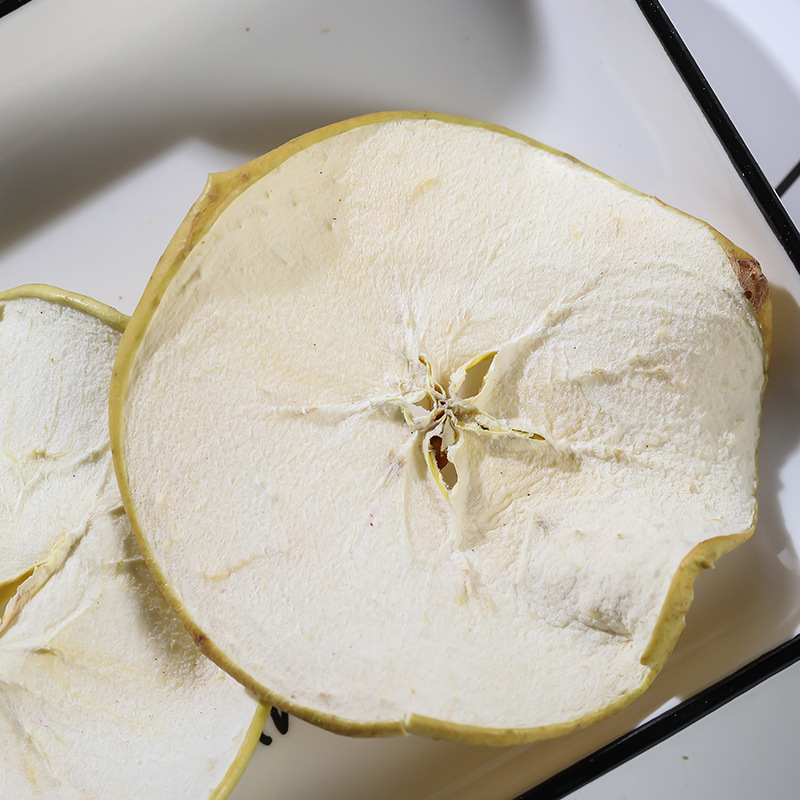
“Apple chips” can mean thin, medium, or thick slices. Thin looks premium and crisps nicely, but it breaks faster during transit. Thicker slices tend to survive better, but can lean chewy depending on processing.
The practical picture: the thinner the slice, the more the bottom of the carton starts looking like “apple dust” after a long route.
2) Texture goal in plain words
Avoid perfection language. Use language that matches what happens on a line:
-
“crisp snack bite, not leathery”
-
“firm pieces for mixing, not sticky”
-
“light chew acceptable, no soggy feel”
3) Crumb tolerance (breakage reality)
Crumbs are where margin quietly disappears. Even without a lot of numbers, a clear expectation helps: “low crumbs, minimal fragments at carton bottom.” This saves money because fewer crumbs means less sieving, less rework, and less write-off when the texture or look doesn’t meet the plan.
The real-life moment: when production starts asking for extra labor to sift, that cost usually wasn’t on anyone’s spreadsheet.
4) Packaging format
Bulk bag in carton can work well for ingredient-use. Snack-crisp usually needs stronger moisture protection and consistent sealing. Packaging isn’t decoration; it’s texture protection.
5) Label boundaries (only if they truly matter)
Apple-only vs seasoned, sugar-free vs lightly sweetened—set the boundary early. Late changes cost time and create messy inconsistencies.
Step 3: Don’t save the wrong money on packaging
Packaging is where many “good samples” go to die. A chip can be processed well and still fail after arrival if humidity protection is weak.
The classic slow-fail: cartons arrive intact. Nothing looks wrong. Then, after storage, the bite turns softer and aroma feels flatter. That’s when teams start “blending it out” or changing the intended use, which is basically paying twice.
If crispness matters, it often costs less to choose better barrier protection than to pay for rework later. If the product is mainly for mixing, packaging can be more cost-focused—but it still needs to handle moisture spikes and rough handling.
The 4 most common cost traps (the ones that feel “small” until they aren’t)
Trap 1: Comparing unit price, not landed cost
This trap starts harmless: two quotes, one is lower. Then the hidden costs show up—inefficient cartons increase freight, cartons crush at the bottom of a pallet, extra crumbs reduce usable yield, and labor gets spent sorting and re-packing.
Right after that, three details decide whether comparisons are even fair:
-
MOQ and tiered pricing can shift the real cost more than people expect.
-
Quote basis mismatch means the “cheapest” line can hide the biggest add-ons.
-
Lead time and peak-season swings can affect both cost and lot-to-lot stability.
A simple way to unify quote basis before comparing: ask for pricing on the same packaging, under the same trade term, and at the same quantity tier—then compare. That one step prevents a lot of false “savings,” especially in dried apple chips wholesale pricing discussions.
A real scene: one quote looks lower until freight and handling land, and suddenly the “higher” quote would have been cheaper all-in.
Trap 2: Great sample, weaker production lot
Samples can come from a smooth run. Production lots can drift—slightly darker, slightly softer, a little more fragmenting. That’s when arguments start: “Is it still the same?”
A low-effort fix that actually works: keep a retained reference sample. When the next lot arrives, do a quick side-by-side bite and crumb check. It catches drift early, before the product spreads into multiple batches and becomes hard to isolate.
Trap 3: Transit damage gets blamed on “bad luck”
Crumbs usually have a cause: too much empty space in cartons, brittle slices with long vibration exposure, unstable pallets, or over-stacking that crushes lower cartons.
The practical picture: open the carton and see a “crumb layer” like sand—no one planned for that yield loss, but it’s now real.
Small changes—better carton packing, more stable pallets, less movement—often reduce breakage faster than people expect.
Trap 4: Choosing the wrong form (slices vs diced)
This doesn’t look like a quality problem at first. It becomes a cost problem later.
Slices look premium and photograph well. They also break more easily and dose less consistently in a mix. Diced apple looks simpler, yet it often behaves better on production lines and reduces loss. Matching form to use is one of the cleanest ways to save.
A five-minute receiving check that prevents the big headaches
Most problems can be spotted quickly. The trick is checking right away—before cartons get scattered or used.
5-minute arrival check (save this)
Open one carton and pause. Look for crushed corners, torn liners, condensation, or odd smell.
Grab a handful and feel it. Crisp pieces feel dry; limp texture hints at moisture pickup.
Tilt the carton and peek at the bottom. Light dust happens; a thick crumb layer predicts waste.
Bite one piece and ask two questions: does the bite match the intended use, and does it taste clean?
Check the inner bag and scan the seals. Small seal issues often become softening later.
This routine is especially useful for apple chips in bulk intended for snack crunch, because the “soft” problem often shows up later—when fixing it gets expensive.
By use: slice vs diced (and why this choice saves money)
This is where sourcing becomes calmer. When form matches the job, there’s less debate and fewer surprises.
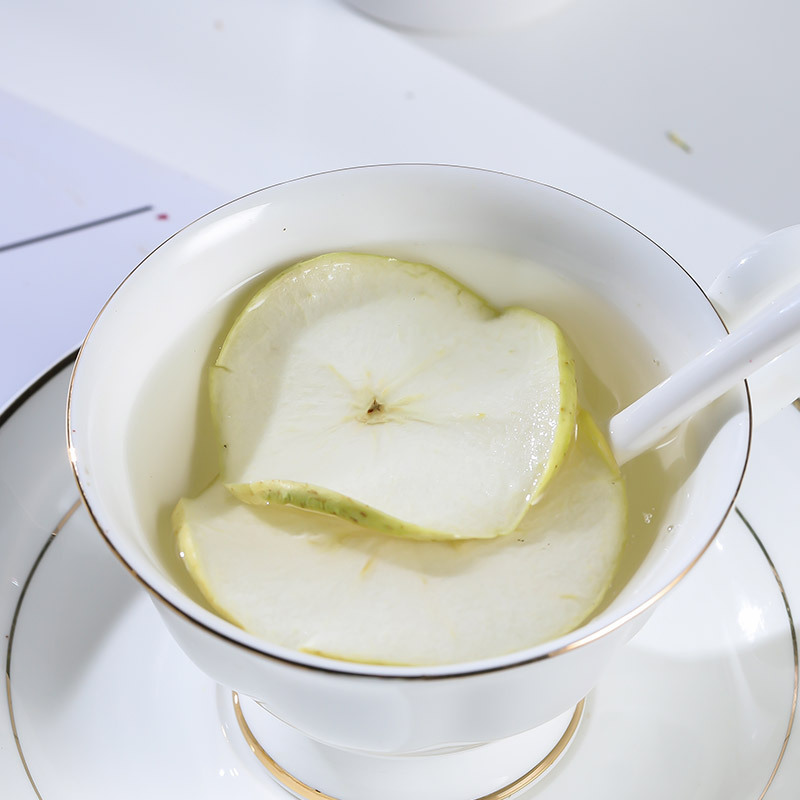
Slice format: visibility, photography, snack presentation, tea display
Slices make sense when the shape matters—snack pouches, tea blends, visible toppings, premium visuals. They also punish sloppy handling, so planning should lean a bit harder on moisture protection and reducing transit breakage.
For slice-heavy use cases, Dried apple slice is a solid reference point. Slices can save money when they reduce the need for extra “visual filler” ingredients, because the fruit itself carries the look. They also keep messaging simple when the product needs to “show real apple” in the pack.
A small but real-world note: if the program wants crisp slices, packaging matters more than most people admit—one weak seal can undo a lot of good work.
Diced format: mixing efficiency, baking inclusions, cereal/granola stability
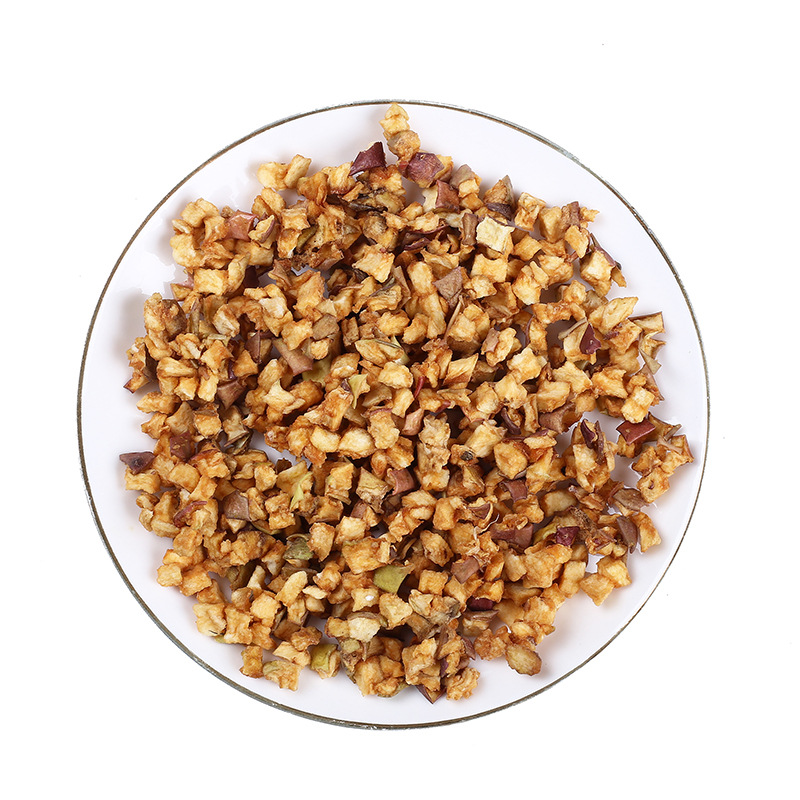
Diced apple usually wins when consistency matters—granola, cereal, baking inclusions, bars, topping stations that need predictable dosing. It tends to be more stable during handling and can reduce unusable loss compared with very thin slices.
For mixing-first programs, Dried apple diced fits well. Dices often save money because they create less breakage loss in transit and less variability on the line. That means fewer “adjustments” mid-run and fewer leftovers that don’t match the intended texture.
A light, practical CTA that stays honest: when the intended use (snack / baking / cereal / tea) and target bite are shared, it’s usually quick to match the right lane—slice vs diced—then sample against that. If a use case is stated clearly, most needs can be covered with these two formats without turning it into a long SKU debate.
Taste and pairing (keep it appealing without creating softness)
Apple is flexible. It can read clean and bright, or warm and dessert-like. Pairing choices also affect stability.
Pairs that usually behave well:
-
cinnamon with a light vanilla feel
-
roasted nuts (almond, walnut)
-
dark chocolate accents
-
gentle warm spice blends without heavy sweetness
Pairs that need more care:
Moist components can push chips toward chewiness. If crunch is part of the value, blends should avoid ingredients that raise humidity inside the pack.
This is one reason dried apple chips wholesale programs perform better when pairing and packaging get considered together, not as separate decisions.
FAQ (real questions that come up again and again)
1) What should I include in a first dried apple chips wholesale inquiry to get comparable quotes?
State the use case, form (slice or diced), texture goal in plain words, packaging format, and a rough volume range. Comparable inputs lead to comparable quotes.
2) Why do chips soften even when cartons look fine?
Humidity exposure can be subtle. A small seal weakness, a humid warehouse moment, or a temperature swing can change texture over time.
3) Is thinner always better for “chip-like” crunch?
Thin can be crisp, but it breaks more during shipping. A slightly thicker slice often reduces crumbs and saves more in the long run.
4) What’s the easiest way to reduce crumbs without changing the product too much?
Control movement: tighter packing, stable pallets, and stronger cartons reduce breakage quickly. Less movement means fewer fragments.
5) How can sample-to-production drift be caught early?
Keep a retained reference sample and compare quickly at receiving. A simple bite + crumb check catches drift before the lot spreads across production.
6) For baking and cereal, is diced usually better than slices?
Often yes. Diced apple mixes evenly and doses predictably. Slices work best when visible presentation is part of the product’s value.
7) What’s the most common packaging mistake for wholesale apple crisps?
Choosing packaging that looks acceptable but doesn’t protect crisp texture. The cost shows up later as softening and rework.
8) How should storage be handled to keep texture stable?
Keep it dry and steady. Store off damp floors, avoid humidity spikes near doors, and watch for conditions that cause condensation.
Wrap-up and next actions
The best savings come from not losing money after the quote: less softening, fewer crumbs, fewer mismatched lots, and fewer repacking surprises. The clean approach stays steady—decide the use, keep the spec protective but short, and don’t under-spend on packaging when crunch matters.
Next actions that keep the process fast and low-risk
-
Ask for samples that test one real variable (thickness or packaging), instead of repeating generic sample rounds.
-
Align quote basis before comparing price: same packaging, same trade term, same quantity tier—then compare.
-
Run the five-minute receiving check and compare against a retained reference sample before full rollout.
For teams planning dried apple chips wholesale supply, a practical way to stay flexible is keeping both lanes ready: slices for visibility-heavy use and diced for mixing-heavy use. Share the intended use and target bite, then sample and align on fit—most of the cost savings show up naturally after that.
Appendix (short phrase bank)
Use case: crisp snack apple chips; apple chips in bulk for mixing; wholesale apple crisps for pouches; apple pieces for baking inclusion; apple garnish slices
Packaging: high-barrier pouch; bulk bag in carton; inner liner + carton; sealed pouch for crunch retention; pallet-stable cartons
Quality focus: low crumbs; consistent cut; clean apple aroma; stable texture in storage; minimal browning