The Benefits of Freeze-Dried Apricots for a Smarter Snack and a More Versatile Ingredient
Freeze-dried apricots offer a rare combination of intensity and simplicity. The fruit’s aroma becomes vivid, the texture turns crisp, and the pieces stay light and clean to handle. That makes them suitable for both snacking and recipe work, from breakfast bowls to bakery inclusions. Another advantage is speed. The porous structure rehydrates quickly in liquids, so the same ingredient can shift from crunchy to jam-like in minutes. Shelf stability also improves because moisture is reduced, which supports longer storage when packaging is well sealed.
A single brand hub link helps keep the topic connected to the core category page: Dried Apricot.
What Freeze-Drying Does to Apricots
Freeze-drying removes water without the prolonged high heat used in many other drying methods. Water is first frozen, then pulled out under low pressure. The result is a crisp, airy structure with many tiny pores.
That structure drives several practical outcomes:
-
Crisp bite that shatters instead of bending
-
Fast rehydration in tea, oatmeal, yogurt, and sauces
-
Lightweight volume that adds visual impact to mixes
-
Efficient flavor release because aroma compounds escape quickly during chewing
Freeze-drying does not turn fruit into a “new” food. It changes texture, density, and handling. The ingredient remains fruit-based, just with water removed.
Sensory Profile: Flavor, Aroma, and Texture
Apricots carry a stone-fruit character that can feel both bright and mellow. Freeze-dried formats tend to highlight the brighter notes first, then finish with a gentle tart edge.
Flavor notes often associated with apricot chips and slices
-
Honeyed sweetness
-
Soft tartness
-
Floral stone-fruit aroma
-
A clean finish that pairs well with nuts, dairy, and chocolate
Texture checkpoints
-
High crispness: breaks cleanly, feels dry, and stays light
-
Moisture pickup: soft spots, a leathery chew, and muted aroma
-
Powdery surface: normal for fragile pieces, especially after transport
Humidity is the main reason crisp fruit becomes chewy. That is usually a storage and sealing issue, not a “taste” issue.
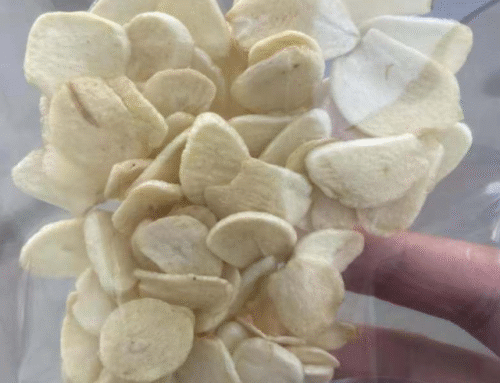
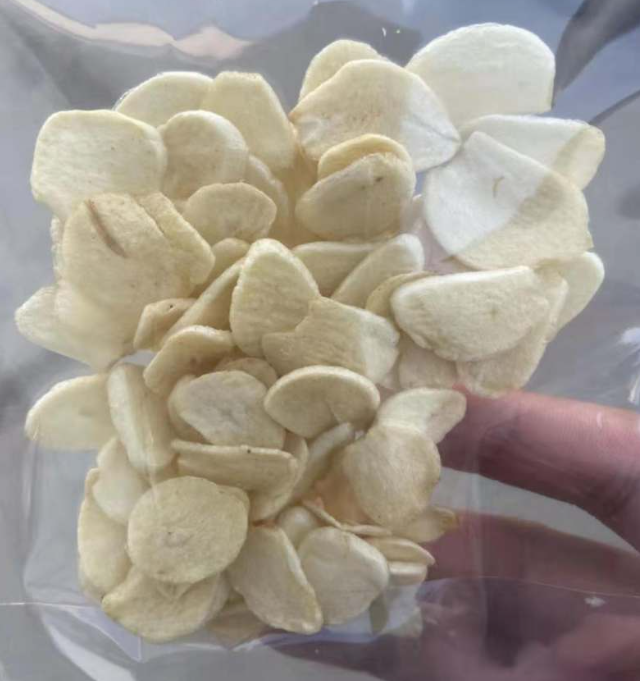
Image 1: Bowl Presentation (Serving and Mix Visual)

Nutritional Value in Practical Terms
Fruit nutrition is often discussed in extremes. A more useful view is simple: removing water concentrates fruit solids, so a smaller portion delivers more “fruit per gram.”
Fiber and texture satisfaction
Apricot-based snacks can contribute dietary fiber. In real routines, fiber matters because it supports satiety and helps keep snack choices feeling complete. Crisp texture also helps. Crunch can increase perceived satisfaction without needing frying.
Practical uses of that combination:
-
A small handful paired with nuts for a more balanced snack
-
A topping that adds crunch to yogurt without extra baking
-
A mix-in that improves the “bite” of granola and cereal blends
Carotenoid pigments and the “orange signal”
Apricots contain orange pigments often associated with carotenoids. These compounds are one reason apricots are frequently used in fruit blends designed to look bright and appealing.
A simple pairing principle fits well here: carotenoid-rich foods often work nicely with a small amount of fat, such as nuts or yogurt, because fat supports absorption of fat-soluble compounds.
Minerals and natural sugars
Because water is removed, the natural sugars and minerals become more concentrated by weight. That makes portion size important. It also makes freeze-dried apricot pieces useful in applications where strong fruit presence is needed without adding liquid.
Core Benefits of Freeze-Dried Apricots
1) Crunch without frying
Crisp texture is a major reason freeze-dried fruit feels snackable. It can replace crunchy snacks that rely on oil, while still delivering a strong sensory payoff.
2) Strong aroma with small usage levels
A small amount can noticeably shift flavor in dry mixes. This matters in:
-
cereal blends
-
snack clusters
-
chocolate bark
-
bakery inclusions
-
topping blends
3) Clean handling and easy portioning
Freeze-dried pieces are light, dry, and quick to portion. That supports consistent use across repeatable routines.
4) Fast rehydration for dual texture use
The same ingredient can stay crisp as a topping or become soft in a warm bowl. That flexibility is hard to replicate with fresh fruit.
Where Freeze-Dried Apricots Fit Best
A useful way to plan usage is by function. Some scenarios need crunch. Others need fruit flavor without extra water.
Scenario A: Crunch-first applications
Best when crisp texture is the priority.
-
yogurt and skyr-style bowls
-
granola and muesli
-
trail mixes
-
snack jars and portion cups
-
ice cream topping stations
Key tip: add near the end to reduce humidity exposure.
Scenario B: Flavor-first applications
Best when aroma and fruit presence are the priority.
-
smoothies (pieces or powder)
-
compotes and quick sauces
-
drink infusions
-
fillings for bakery and confectionery
Key tip: allow brief contact with liquid to soften and release aroma.
Scenario C: Visual-first applications
Best when appearance matters.
-
bakery topping decor
-
chocolate bark
-
gift-style mix assortments
-
garnish for beverages and dessert plates
Key tip: use larger chips or slices for stronger “fruit visibility.”
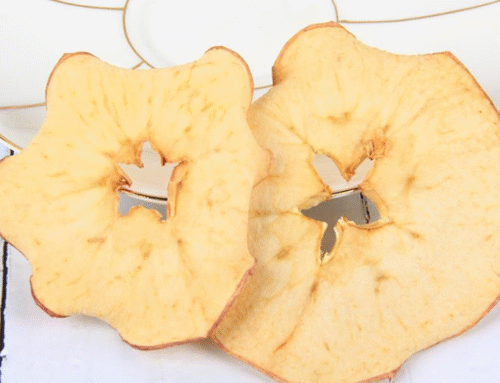
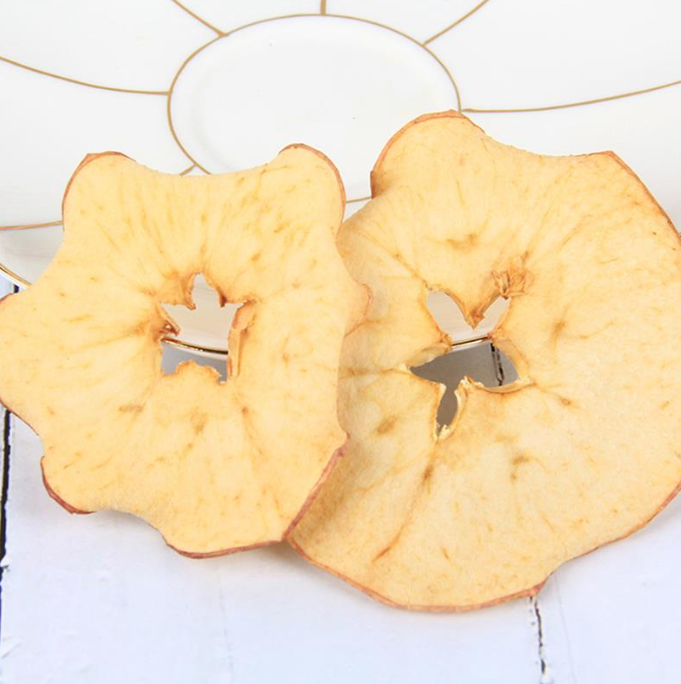
Image 2: Close-Up Texture (Crisp Structure)

Breakfast Uses That Stay Interesting
Breakfast is one of the easiest places to use freeze-dried fruit because it interacts well with creamy and warm bases.
Oatmeal and porridge
Two approaches work well:
-
Crunch method: sprinkle right before serving
-
Soft method: stir in during the final minute, then rest briefly
The second method creates a jam-like pocket effect without needing added syrup.
Overnight oats
Freeze-dried apricot pieces soften overnight. The flavor spreads through the jar. Texture becomes tender rather than crisp.
A stable structure often includes:
-
oats + milk base
-
yogurt for body
-
nuts or seeds for fat and bite
-
freeze-dried apricot pieces for aroma and brightness
Yogurt bowls
Apricot pairs well with tangy bases. The sweet-tart balance becomes more noticeable.
Good companions in a bowl:
-
almonds, pistachios, walnuts
-
honey or date syrup in small amounts
-
toasted coconut
-
chia seeds or flax for texture layering
Baking and Pastry: How to Use Without Losing Impact
Freeze-dried fruit behaves differently from fresh fruit in doughs. It adds flavor without adding much water.
Muffins and quick breads
Small pieces distribute evenly. Larger chips can stay as “fruit pockets,” but may break during mixing.
Practical tips:
-
fold gently to protect the pieces
-
reserve some pieces for topping
-
avoid long mixing that turns chips into dust
Cookies and shortbread
Freeze-dried pieces can provide an interesting snap next to buttery crumb.
Use cases:
-
shortbread with apricot chips and pistachio
-
oat cookies with apricot chips and coconut
-
sandwich cookies with apricot powder in filling
Cakes and frostings
Powder is the easiest option for frosting because it blends smoothly.
Useful effects:
-
color lift without artificial dye
-
fruit aroma in buttercream or whipped fillings
-
fast flavoring for cheesecake-style mixes
Drinks and Infusions: Quick Aroma Release
Freeze-dried fruit is porous. That makes it a strong candidate for infusion.
Tea blends
Apricot pairs well with:
-
black tea with spice accents
-
green tea with citrus peel
-
herbal blends with chamomile or rooibos
A simple method:
-
add pieces to the cup or pot
-
steep as usual
-
allow a short rest after steeping for fuller aroma
Sparkling water and mocktail formats
Apricot chips soften in carbonated water and release aroma gradually.
Pairing ideas:
-
apricot + lemon peel
-
apricot + mint
-
apricot + ginger
Smoothies
Pieces can work, but powder blends fastest.
Advantages of powder:
-
no chewing texture unless desired
-
even distribution
-
quick cleanup and consistent flavor
Chocolate and Dessert Pairings
Apricot and cocoa complement each other because cocoa’s bitterness sharpens perceived sweetness.
Chocolate bark
A reliable structure:
-
dark chocolate base
-
apricot chips for fruit brightness
-
pistachio or almond for crunch
-
pinch of salt to frame sweetness
Ice cream and frozen desserts
Freeze-dried pieces resist sogginess longer than fresh fruit. They also add a “snap” that contrasts with creamy bases.
Great matches:
-
vanilla and mascarpone-style bases
-
chocolate gelato formats
-
yogurt-based frozen desserts
Savory Applications: Sweetness as a Tool
Apricot sweetness can balance heat, acid, and salt. In savory cooking, it works best as a supporting note rather than the center.
Grain bowls
Apricot chips can replace or reduce sweet sauces.
Pairing directions:
-
roasted carrots or squash
-
toasted nuts and herbs
-
lemon vinaigrette
-
light chili flakes
Spice-forward dishes
Apricot pairs with warm spices.
Common spice companions:
-
cumin
-
coriander
-
cinnamon
-
ginger
A small amount can round harsh edges and add dimension.
Salad toppers
Crisp chips work well as a contrast element.
Suggested pairings:
-
arugula or mixed greens
-
goat-cheese-style soft cheese
-
toasted seeds
-
citrus dressing
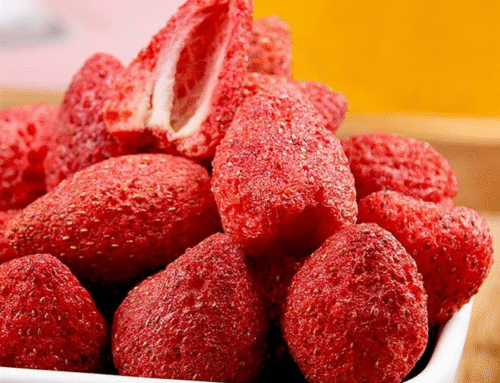
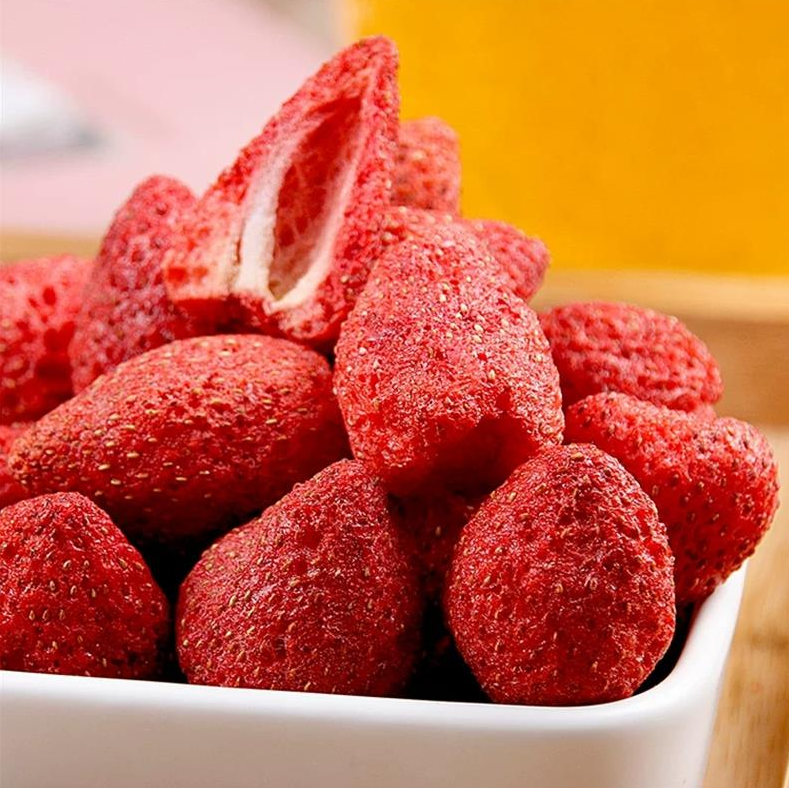
Image 3: Clean Background (Ingredient Visual for Recipes)

Pairing Guide: Building Better Combinations
Pairing is where freeze-dried apricots move from “snack” to “ingredient.”
Creamy bases
Creamy textures highlight apricot aroma.
-
yogurt, kefir, skyr-style bases
-
cottage-cheese-style bases
-
coconut yogurt alternatives
Why it works: tangy cream reduces sweetness heaviness and boosts fruit brightness.
Nuts and seeds
These provide fat, crunch, and a warm roasted note.
-
almonds and pistachios (classic)
-
walnuts (deeper, slightly bitter)
-
sesame and tahini (savory-friendly)
-
pumpkin and sunflower seeds (mild and versatile)
Why it works: fat rounds tartness and supports a fuller mouthfeel.
Cocoa and coffee notes
Chocolate makes apricot feel brighter.
-
dark chocolate
-
cocoa nibs
-
espresso accents in desserts
Why it works: bitterness increases contrast and improves perceived fruit clarity.
Warm spices
These lean into apricot’s honeyed character.
-
cinnamon
-
cardamom
-
ginger
-
clove (very small amount)
Why it works: warm spice creates depth and a longer finish.
Citrus and herbs
These keep profiles fresh.
-
lemon peel
-
orange peel
-
mint
-
basil (small amount, dessert contexts)
Why it works: citrus lifts aroma; herbs add freshness without sugar.
Formats and Cuts: Chips, Dices, Granules, and Powder
Choosing the right format is often more important than choosing a “better” product. Format should match the goal.
Chip-style slices
Best for:
-
snacking
-
bowl toppings
-
garnish and visual impact
-
chocolate bark
Strengths:
-
strong crunch
-
high aroma release
-
attractive appearance
Watch-outs:
-
fragile in transport
-
more surface area means faster moisture pickup after opening
Dices and granules
Best for:
-
granola and cereal blends
-
bakery inclusions
-
snack clusters
-
bars
Strengths:
-
even distribution
-
predictable bite size
-
less breakage than large chips
Watch-outs:
-
less visual “fruit identity” than large slices
Powder
Best for:
-
smoothies
-
yogurt flavoring
-
frosting and fillings
-
dry seasoning blends for creative use
Strengths:
-
fast blending
-
controlled flavor intensity
-
consistent distribution
Watch-outs:
-
moisture exposure can create clumping, so tight sealing matters
Selection Guide: A Simple, Professional Checklist
This section focuses on practical evaluation points that fit both culinary and ingredient-planning needs.
1) Ingredient statement and processing notes
A clean ingredient statement is often preferred in fruit-based snack and ingredient contexts. Some fruit categories use preservatives or sweeteners, depending on style.
Useful questions for evaluation:
-
Is the ingredient list simple and clear?
-
Is the processing method stated (freeze-dried vs other drying)?
-
Is the cut type defined (slice thickness, dice size)?
2) Aroma strength on opening
A clear apricot aroma usually signals good sealing and minimal moisture exposure.
Aroma issues often come from:
-
packaging that allows moisture exchange
-
long storage in warm conditions
-
repeated opening without airtight transfer
3) Color and uniformity
Apricot color naturally varies. However, extreme unevenness can suggest mixed lots, mixed ripeness, or inconsistent drying.
Look for:
-
a consistent golden tone
-
limited browning or dark patches
-
uniform slice thickness when chips are used
4) Texture integrity and dust level
Some dust is normal because freeze-dried pieces are delicate.
A practical balance:
-
enough intact chips for topping and visual use
-
manageable dust level that does not dominate the pack
5) Moisture control in packaging
Freeze-dried fruit is sensitive to humidity.
Packaging features that matter:
-
strong seal integrity
-
high barrier film
-
clear storage guidance after opening
-
reseal options for small-pack formats
6) Match format to the intended use
Format mismatch is the most common reason results feel disappointing.
Examples:
-
powder works better than chips for frosting
-
dices work better than chips for bars
-
chips work better than dices for garnish
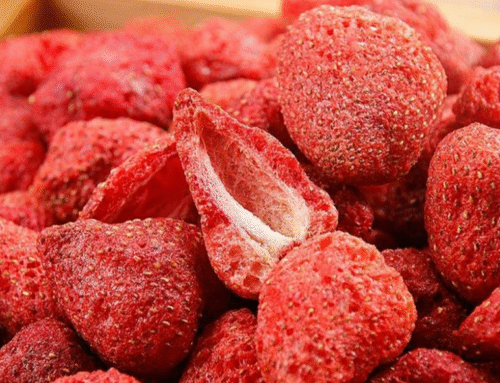
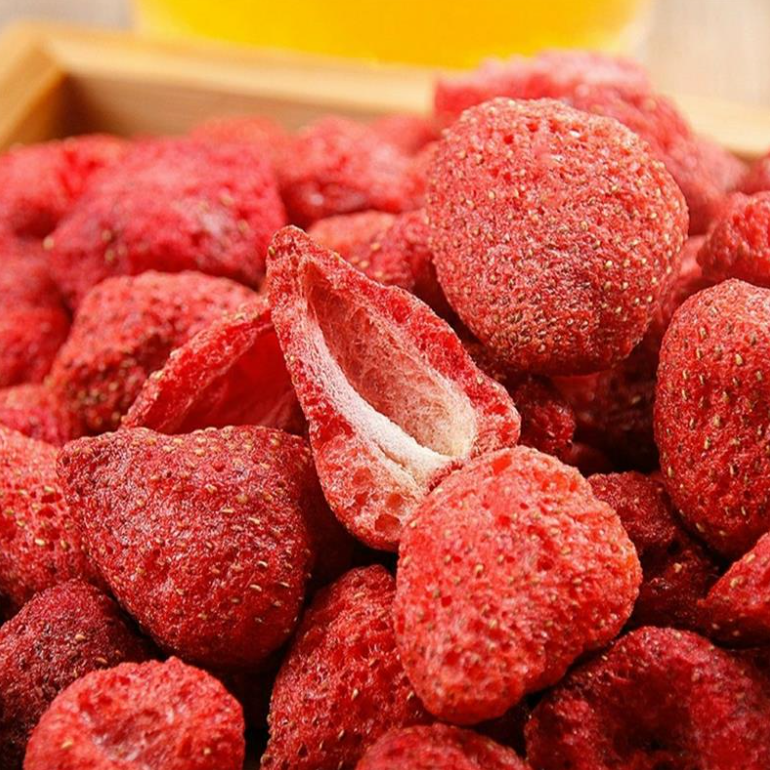
Image 4: Additional Product Visual (Pack/Spec-Linked Image)

Storage and Handling: Keeping Crispness Longer
Freeze-dried fruit stays at its best when moisture stays out.
Storage rules that work in real kitchens
-
keep sealed when not in use
-
store in a cool, dry place
-
transfer to airtight containers after opening
-
limit open-air time during prep
-
avoid storing near steam sources
What to do if crispness fades
Loss of crunch does not mean the ingredient is unusable. Softened pieces still perform well in:
-
oatmeal
-
tea infusions
-
sauces
-
baking inclusions where crunch is not required
Practical Serving Ideas (Snack, Bowl, and Pantry Routines)
This section lists options that avoid complicated recipes and still produce consistent results.
Snack combinations that feel complete
-
apricot chips + almonds + pumpkin seeds
-
apricot chips + dark chocolate squares + hazelnuts
-
apricot chips + roasted coconut flakes + cashews
Bowl combinations with strong balance
-
yogurt + apricot chips + pistachios + citrus zest
-
oatmeal + apricot chips + walnuts + cinnamon
-
chia pudding + apricot chips + toasted sesame + honey drizzle (light)
Pantry habits that support repeat use
-
keep a small airtight jar for daily toppings
-
keep a second container for baking inclusions
-
keep powder in a moisture-protected container for fast blending
How Freeze-Dried Apricots Compare With Other Dried Styles
This comparison helps with selection decisions without turning into a technical lecture.
Freeze-dried vs hot-air dried
Freeze-dried formats usually provide:
-
more crunch
-
faster rehydration
-
a brighter aroma impression
Hot-air dried formats often provide:
-
chewy texture
-
deeper caramel-like notes
-
denser bite
Neither is “always better.” The target texture decides.
Freeze-dried vs vacuum-fried fruit
Vacuum-fried fruit often provides:
-
rich crunch
-
deeper toasted notes
Freeze-dried fruit often provides:
-
lighter crunch
-
cleaner fruit aroma
-
no oil-based mouthfeel
Choice depends on whether a clean fruit profile or a richer snack profile is preferred.
Common Pitfalls and How to Avoid Them
Pitfall 1: Using chips in wet mixes too early
Chips can soften quickly in humid mixes.
Better approach:
-
add at the end
-
keep a separate topping container
-
use powder when full mixing is required
Pitfall 2: Over-crushing during transport or mixing
Freeze-dried pieces are fragile.
Better approach:
-
add after heavy mixing steps
-
use dices for rough mixing
-
reserve chips for finishing and topping
Pitfall 3: Underestimating humidity
Even short exposure can soften crisp pieces.
Better approach:
-
open only what is needed
-
reseal immediately
-
store with tight lids
FAQ: Expanded Questions and Clear, Practical Answers
1) What makes freeze-dried apricot chips feel so crunchy?
Water removal creates a porous structure. The pores fracture easily, which produces a crisp bite.
2) Why does flavor taste stronger than fresh apricot?
Removing water concentrates fruit solids. Porosity also speeds aroma release during chewing.
3) Do freeze-dried apricot chips rehydrate well?
Yes. The porous structure absorbs liquid quickly. Rehydration time depends on piece size and liquid temperature.
4) Which format works best for smoothies?
Powder blends most evenly. Small pieces also work if a textured smoothie is acceptable.
5) Which format is best for granola and cereal blends?
Dices and granules distribute more evenly and resist crushing better than large chips.
6) Which format works best for topping yogurt?
Chip-style slices provide the most visual impact and crunch. Add just before eating to reduce softening.
7) What pairings fit apricot’s sweet-tart profile best?
Creamy bases, nuts, dark chocolate, warm spices, and citrus peel are consistently strong options.
8) Why do chips sometimes soften quickly after opening?
Humidity exposure is the main cause. Airtight storage and quick resealing help maintain crispness.
9) Can freeze-dried apricot chips work in baking?
Yes. They add flavor without adding much moisture. Dices tend to hold up better in mixing than large chips.
10) Is powder better than chips for frosting?
Powder is usually better because it disperses smoothly and gives more controlled flavor.
11) What does “slice thickness” change?
Thicker slices feel more substantial and may rehydrate more slowly. Thinner slices feel lighter and often seem crispier.
12) What does a “high dust level” indicate?
Some dust is normal from fragile pieces. Excess dust can indicate rough handling or high breakage during transport.
13) How can apricot chips be used in savory dishes without tasting like dessert?
Use small amounts. Pair with herbs, grains, roasted vegetables, and warm spices. Keep sweetness balanced with acid and salt.
14) What is a simple way to choose between chips and dices?
Choose chips for topping and garnish. Choose dices for mixes and bars.
15) What is the simplest “first trial” use for freeze-dried apricot chips?
Use as a topping on yogurt with nuts. That format shows aroma, crunch, and pairing benefits without extra steps.
Conclusion
Freeze-dried apricots can act as a crisp snack, a fast infusion ingredient, a bakery inclusion, or a powder-based flavor tool. The strongest advantages are clean handling, strong aroma at low usage, and flexible texture that shifts from crunchy to tender with rehydration. Selection works best when it starts with the intended use, then confirms cut, aroma strength, moisture control, and packaging integrity.
For a single category anchor at the end (and only here), the core hub remains: Dried Apricot.