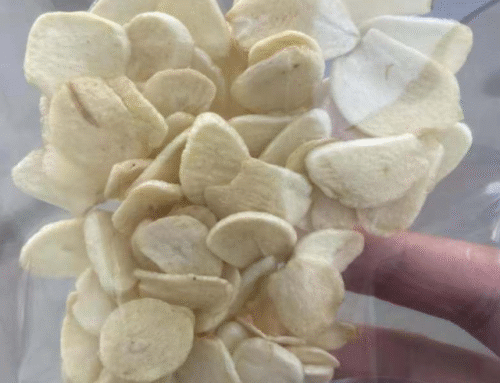
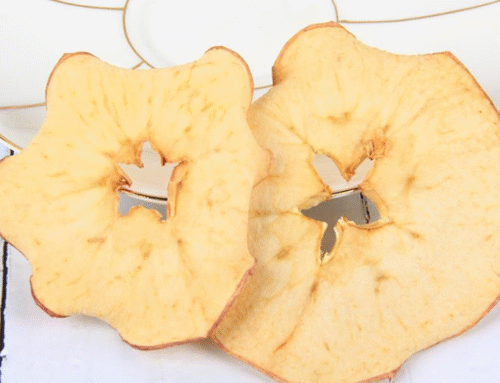
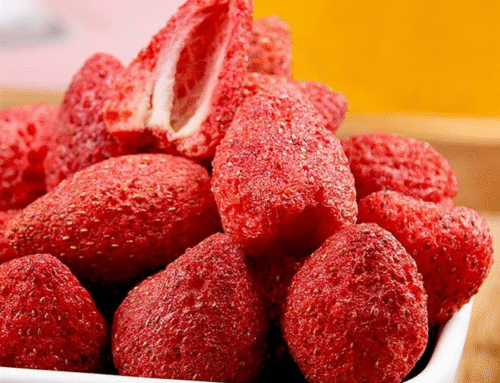
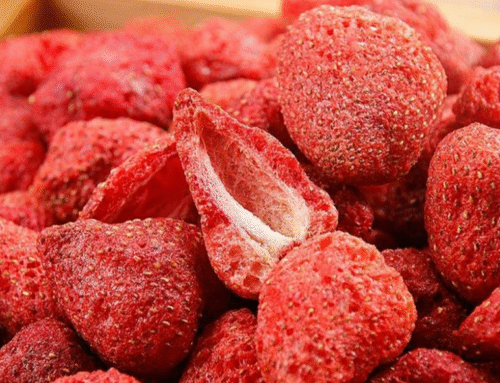
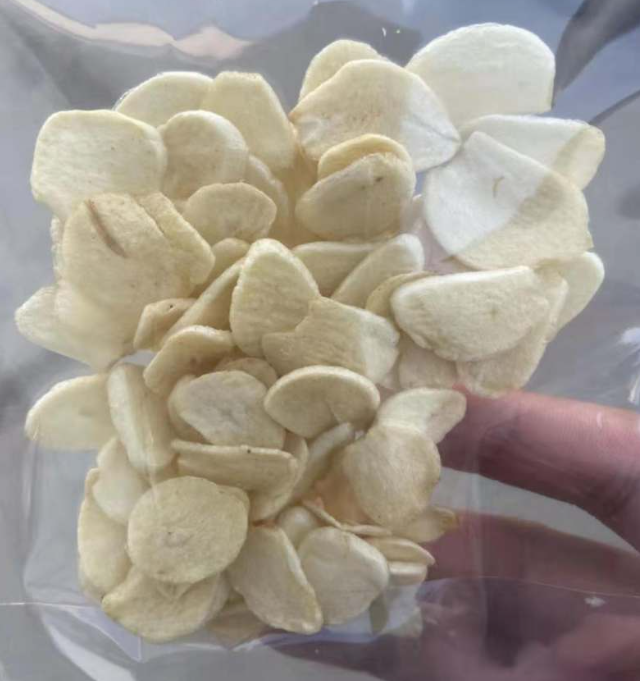
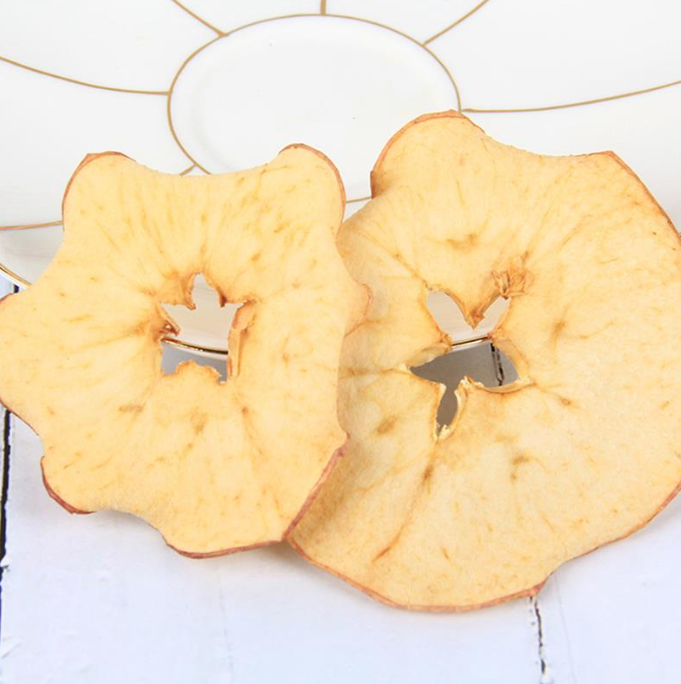
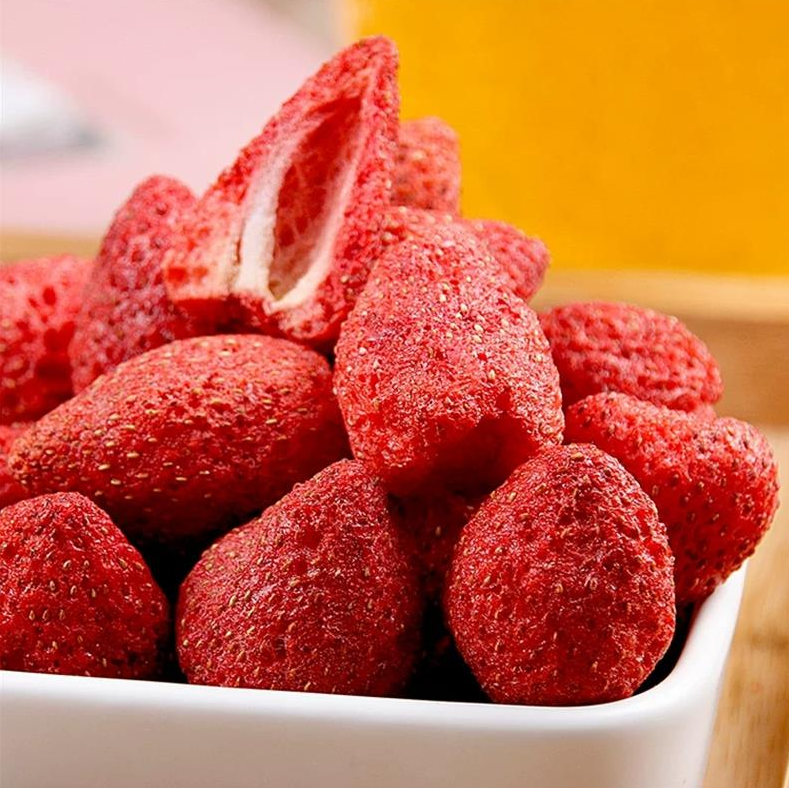
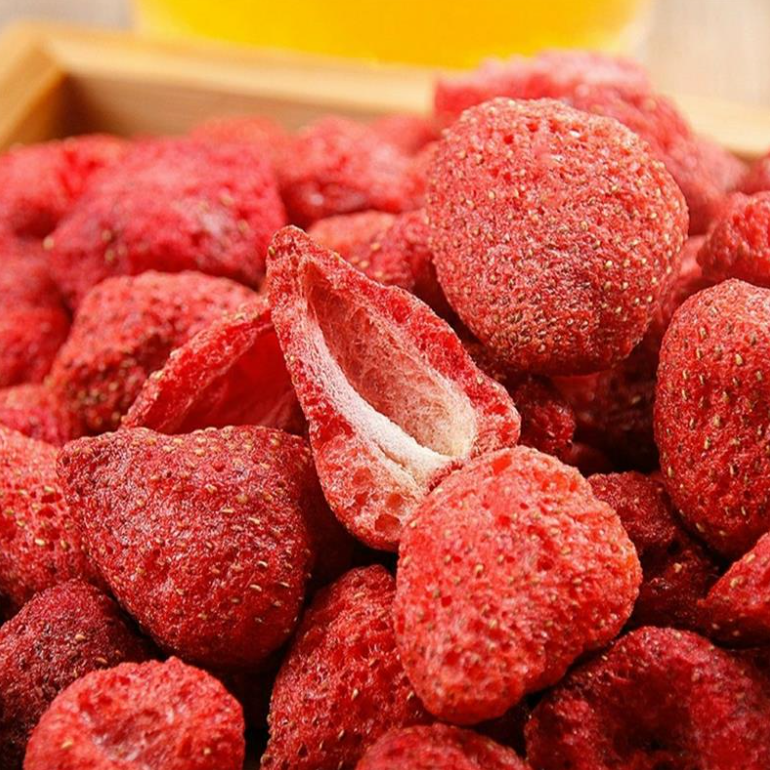
There is a reason fruit that has been gently dried keeps showing up in pantries, desk drawers, hiking bags, and breakfast bowls. It is compact, naturally sweet, easy to portion, and endlessly flexible in both sweet and savory recipes. dried fruit In the right format, it brings a concentrated fruit note that feels like sunshine you can carry, whether the goal is a quick bite between meetings or a simple upgrade to yogurt, oatmeal, baked goods, salads, and tea.
What dried fruit is
Dried fruit is fruit with most of its water removed so the flavor becomes more concentrated and the texture becomes chewy, tender, crisp, or pleasantly snappy depending on the method. Removing water changes how the fruit behaves: sweetness becomes more noticeable, aroma feels richer, and the fruit becomes more stable for storage and travel.
Common drying methods and how they feel in real life
Different drying styles create different eating experiences. The easiest way to think about it is texture plus aroma release.
Plain-text comparison table:
Method | Typical texture | Flavor impression | Best everyday uses
Sun-dried / air-dried | Chewy, sometimes leathery | Deep, jammy, caramel-like | Trail mix, oatmeal, baking, snack bowls
Low-temperature dehydrated | Chewy to lightly crisp | Clean fruit sweetness, steady aroma | Tea infusions, baking, granola, toppings
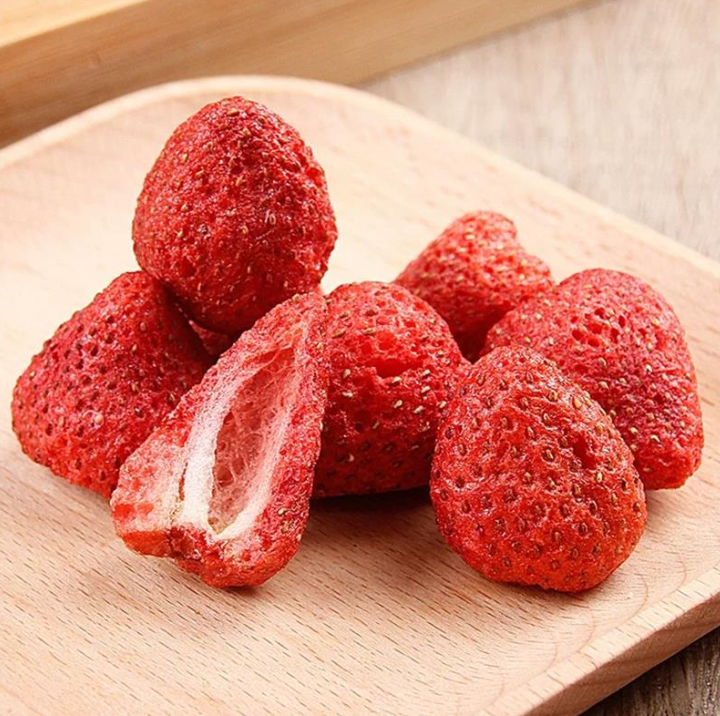
Freeze-dried | Light, crisp, melts quickly | Bright, fresh-like aroma, fast flavor burst | Yogurt, cereal, dessert toppings, smoothies, snacking
Vacuum-fried (fruit chips style) | Crunchy, chip-like | Toasted fruit note, indulgent crunch | Snack mixes, party boards, crunchy topping blends
The “best” method depends on the moment. Chewy pieces are satisfying and slow to eat. Crisp pieces are playful and quick, and they crumble easily into toppings. Slice shapes look beautiful on boards and drinks. Diced cuts are practical for baking and mixing.
Why removing water makes fruit taste “more”
Water dilutes. When water is reduced, the fruit’s natural sugars and aromatic compounds become more concentrated per bite. That is why a small handful can taste surprisingly intense compared with the same fruit fresh. It also explains why dried fruit pairs so well with plain foods like oats, yogurt, and nuts: it acts like a natural flavor booster.
Practical benefits people notice
Concentrated flavor with a clean, simple feel
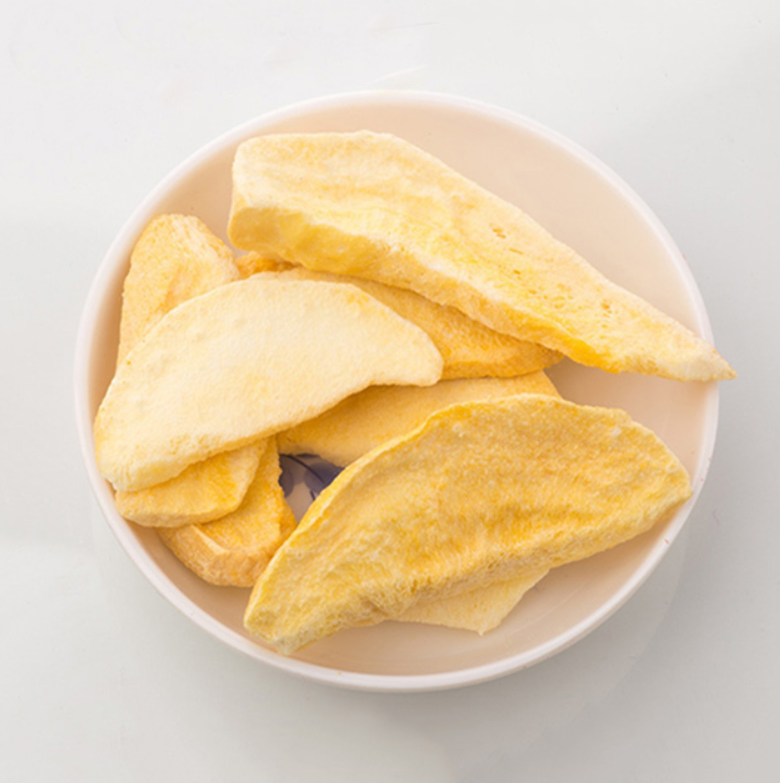
Many people reach for dried fruit when they want sweetness without needing frosting, syrup, or candy-style flavoring. It delivers fruit sweetness and fruit aroma in a compact form. The taste can be bright and tangy (berries, citrus slices), mellow and honeyed (apricot, mango), or warm and jam-like (figs, dates).
Easy to portion and easy to carry
A few pieces can change a whole bowl of breakfast. A small pouch can transform a long commute or a packed afternoon. It is an ingredient that does not demand refrigeration during the day, which makes it practical for work bags, travel days, school lunches, and outdoor plans.
Texture options that keep snacking interesting
One of the underrated pleasures is texture variety.
-
Chewy: satisfying, slow, and “dessert-like” without being heavy
-
Soft: gentle and comforting, great for baking and oatmeal
-
Crisp: light and airy, great for topping and mixing
-
Crunchy chip-like: bold, snacky, great for sharing
That variety matters because it keeps the habit from feeling boring.
Works as both snack and ingredient
Dried fruit is not only something to eat straight. It is also a shortcut ingredient that can make simple food taste thoughtful.
-
Adds sweetness to salads without sugary dressings
-
Adds a fruity pop to grain bowls and couscous
-
Adds contrast to cheese and nuts on boards
-
Adds aroma to tea, water, and mocktails
-
Adds color to baked goods and breakfast
A smart way to keep fruit flavor available year-round
Fresh fruit changes with seasons and supply. Dried forms keep familiar fruit flavors within reach no matter the month, which helps maintain variety in everyday eating routines.
Best use cases and scenes
Morning routines that feel upgraded
The easiest win is breakfast. A small amount changes the whole bowl.
-
Oatmeal: stir in chopped dried fruit near the end so it softens slightly while staying distinct
-
Overnight oats: mix in small diced fruit so it perfumes the whole jar
-
Yogurt: use crisp fruit pieces for contrast against creamy yogurt
-
Granola: mix chewy fruit for slow sweetness, or crisp fruit for light crunch
-
Pancakes and waffles: fold in chopped fruit or sprinkle on top with nuts
A simple trick: combine two textures in one bowl, such as chewy mango pieces plus crisp berry pieces. The contrast makes it feel more intentional.
Desk snacks that do not feel like “snack time”
For busy days, the goal is often something small that feels satisfying without needing utensils.
-
Pair with nuts: almonds, cashews, walnuts
-
Pair with dark chocolate pieces for a dessert-like bite
-
Pair with crackers for a sweet-salty balance
-
Pair with cheese cubes for a quick mini-board
Flavor pairing ideas:
Fruit style | Great partners
Apricot, mango | cashews, coconut flakes, mild cheese
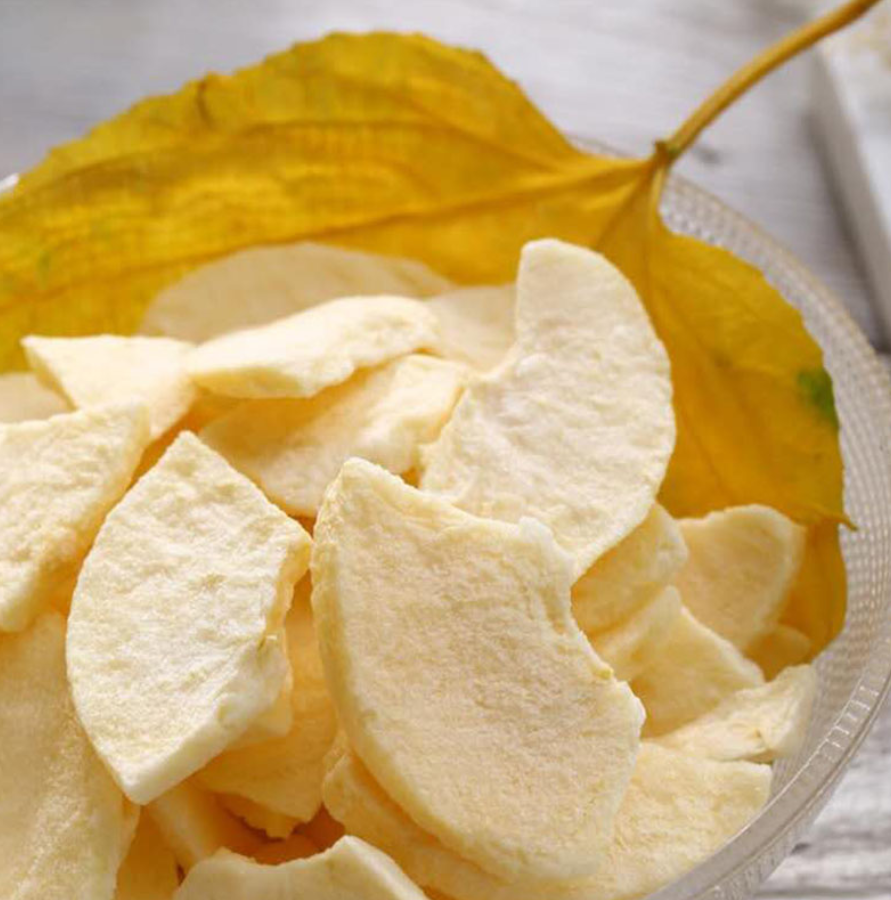
Apple slices | cinnamon, walnuts, peanut butter
Berry pieces | yogurt chips, pistachios, vanilla flavors
Figs, dates | aged cheese, almonds, cocoa flavors
Citrus slices | green tea, sparkling water, ginger notes
Outdoor and travel scenes
When movement is the plan, compact energy and easy handling matter.
-
Hiking: mix chewy fruit with nuts and seeds
-
Road trips: portion into small packs to avoid constant snacking
-
Flights: combine fruit with a protein option to feel balanced
-
Hotel breakfast: add fruit pieces to plain oatmeal or cereal for instant flavor
Baking that tastes fruit-forward, not sugar-forward
Dried fruit can carry sweetness and aroma into baked goods without needing heavy syrups.
Where it shines:
-
Muffins and quick breads: chop fruit small so it distributes evenly
-
Cookies: use diced fruit for little fruity pockets
-
Scones: pair fruit with nuts and a light glaze
-
Energy bites: blend dried fruit with oats and nut butter for quick snacks
-
Granola bars: use a mix of chewy and crisp textures
Baking tips:
-
Toss chopped fruit with a little flour before folding into batter to reduce clumping
-
For very dry pieces, soak briefly in warm water or tea, then drain well
-
For strong flavors like citrus, use small amounts and spread them out
Salads and savory dishes that feel restaurant-inspired
Dried fruit is a secret weapon in savory foods because it adds sweetness and chew where fresh fruit might be too watery.
-
Leafy salads: cranberries, diced mango, or sliced apricot with nuts
-
Grain bowls: couscous, quinoa, rice with fruit plus herbs
-
Roasted vegetables: add fruit after roasting so it stays bright
-
Stuffings: chopped fruit with bread, herbs, and nuts
-
Tagine-style or stew-style dishes: fruit adds depth and gentle sweetness
A classic balance:
-
Sweet: fruit
-
Salty: cheese, olives, salted nuts
-
Acid: lemon or vinegar
-
Fresh: herbs
-
Crunch: seeds or toasted nuts
Drinks, tea, and simple infusions
Dried fruit can be used like a natural flavor sachet.
-
Tea: add slices or pieces directly to hot water
-
Iced water: add citrus slices or berry pieces, then chill
-
Mocktails: muddle fruit with mint and sparkling water
-
Warm “fruit water”: steep fruit and spices like cinnamon or ginger
If the goal is aroma, thin slices and crisp fruit often release flavor quickly.
How to choose dried fruit: a quick checklist
Choosing well is not complicated. The best approach is matching the fruit style to the moment, then checking ingredients and cut type.
Step 1: Choose the texture for the job
-
Chewy pieces: best for slow snacking, baking, oatmeal, salads
-
Crisp pieces: best for yogurt, cereal, toppings, quick snacking
-
Slices: best for boards, drinks, decorating desserts
-
Diced cuts: best for mixing into doughs, granola, bars
Step 2: Check ingredients for the taste you want
Ingredient lists vary widely.
-
Fruit-only: pure fruit flavor, good for everyday mixing
-
Fruit plus sugar: sweeter, more candy-like, good for dessert-style uses
-
Fruit plus oil (fruit chips style): crunchier, more snack-like
-
Fruit plus acidity regulators: can keep a brighter taste
-
Fruit plus preservatives: sometimes used to maintain color and softness
If the goal is a clean fruit note, fewer ingredients usually taste more “fruit-forward.”
Step 3: Think about sweetness level and how it fits the day
Some fruits are naturally sweeter. Mango, dates, and figs can taste rich quickly. Berries and citrus can feel lighter and more tangy. For all-day snacking, mixing one sweet fruit with one tart fruit helps keep the flavor balanced.
Step 4: Match size to usage
-
Large pieces: good for snacking and boards
-
Medium pieces: good for trail mix and cereal
-
Small dices or granules: good for baking and blending
-
Powders: good for flavoring yogurt, drinks, and dough
Step 5: Look at color and aroma
Even before tasting, aroma tells a lot. A pleasant fruit aroma is a good sign of a strong flavor experience. Color can hint at the method: freeze-dried berries often look vivid; sun-dried fruits often look deeper and darker.
Step 6: Decide on packaging and how fast it will be used
If it will be used slowly, smaller packs help keep texture and aroma more consistent after opening. If it will be used frequently in cooking or baking, larger packs can be practical.
Storage and serving ideas
Simple storage rules that keep texture enjoyable
-
Keep sealed: air is the fastest way to soften crisp pieces
-
Keep dry: moisture changes texture and can dull aroma
-
Keep cool: heat can flatten delicate fruit aromas over time
-
Avoid strong smells nearby: fruit can pick up surrounding odors
If crisp fruit becomes soft, it can still be used as an ingredient. Softened crisp fruit is excellent in oatmeal, baking, or quick compotes.
How to revive or reshape texture at home
-
To soften chewy pieces: soak briefly in warm water, tea, or juice, then drain
-
To make a quick fruit “sauce”: simmer chopped fruit with a splash of water
-
To create a topping crumble: crush crisp fruit pieces into a fine sprinkle
-
To create fruit sugar: blend crisp fruit into powder and dust over desserts
Serving ideas that feel fresh and modern
Snack bowl ideas:
-
Berry crunch bowl: crisp berries + yogurt chips + pistachios
-
Tropical bowl: mango pieces + coconut flakes + cashews
-
Cozy bowl: apple slices + cinnamon + walnuts
-
Tangy bowl: citrus slices + ginger notes + almonds
Quick recipe ideas:
-
Oatmeal glow-up: oats + chopped fruit + toasted nuts + pinch of salt
-
Salad upgrade: greens + dried fruit + feta + nuts + lemon dressing
-
Simple energy bites: dates or mango + oats + nut butter + pinch of salt
-
Tea infusion: dried citrus slice + black tea + cinnamon stick
FAQs
Is dried fruit “just sugar”
Fruit naturally contains sugars, and drying concentrates them per bite because water is reduced. That is why portion size matters. The upside is that a small amount can deliver strong satisfaction and strong fruit flavor. For a less sweet feel, choose more tart fruits or mix sweet fruits with nuts and seeds.
What is the difference between dehydrated and freeze-dried
Both remove water. Dehydrated fruit is typically chewy to lightly crisp and often has a deeper, mellow sweetness. Freeze-dried fruit is typically light and crisp, with a fast, bright aroma release and a “melting” crunch. Both can be excellent; they simply fit different moments.
Can dried fruit be used in cooking without soaking
Yes. Many recipes work well with dried fruit as-is, especially granola, trail mix, salads, and quick breads. For delicate cakes or soft cookies, a short soak can prevent pieces from pulling moisture from the dough and becoming too firm.
Why do some dried fruits look very bright and some look darker
Drying method and fruit variety matter. Some methods preserve a vivid look; others deepen color and create a more caramel-like taste. Some fruits are treated to keep color more stable. If the goal is a deep, jammy taste, darker pieces can be perfect. If the goal is a bright, fresh-like aroma, crisp fruit pieces often deliver that feeling.
What is the easiest way to avoid sticky clumps
-
Choose cuts that match the use: diced for mixing, slices for snacking
-
Keep sealed after opening
-
Mix with nuts or oats to reduce sticking
-
For baking, toss chopped pieces with a little flour before mixing into batter
Can dried fruit replace candy in a sweet craving moment
It can, especially when paired with something creamy or nutty. A few pieces with yogurt, nuts, or a small piece of chocolate can feel like dessert while still tasting fruit-forward.
How can dried fruit taste more “grown-up” and less like a kids snack
Use it like a chef’s ingredient.
-
Pair with salty nuts and aged cheese
-
Add to salads with herbs and citrus
-
Add to grain bowls with spices like cumin or cinnamon
-
Use in tea infusions with ginger, mint, or rosemary
The same fruit can feel playful or sophisticated depending on what it is paired with.
Quick recap
Dried fruit is a compact way to bring fruit flavor into everyday life. It works as a snack that travels well and as an ingredient that upgrades breakfast, baking, salads, and drinks. The best choice comes down to matching texture to the moment, checking ingredients for the taste style, and choosing a cut that fits the job. Use chewy pieces for comfort and slow snacking, crisp pieces for bright aroma and toppings, and slices or dices for simple cooking and mixing. When stored sealed and dry, it stays ready for quick moments and thoughtful meals alike.