Freeze-dried blueberry powder is one of the cleanest ways to push cookie flavor forward without turning dough wet or fragile. The upgrade shows up in three places: aroma that feels “fresh,” color that reads instantly as berry, and a crumb that stays stable. Those gains are not mysterious, either. With a few measurable ranges and a reliable mixing order, results become repeatable across batches. Blueberry Powder can act as the homepage reference for this ingredient family, while the techniques below focus on cookies and cookie-style fillings.
Best Ways to Use Freeze-Dried Blueberry Fruit Powder in Cookies
Cookie development goes faster when each use case has a clear job. So, the simplest approach is to match the format to the result it delivers. In practice, most cookie lines use two formats at once: a “base note” in dough plus a “top note” on the surface.
Dough: even color and steady blueberry baseline
Dough application spreads blueberry through the whole cookie. As a result, the crumb tastes consistent and the purple tone looks uniform. This method fits shortbread, sugar cookies, and butter cookies, where a clean base helps fruit stand out.
Glaze: strongest “pop” on first bite
Glazes and icings sit on the surface, so aroma hits immediately when a cookie is lifted and bitten. That placement keeps berry notes bright after cooling. Also, glaze lets dough stay classic while the finish carries most of the fruit identity.
Filling: loud aroma with a longer finish
Sandwich cookie filling sits close to the nose, and that proximity makes berry read stronger with less powder. Meanwhile, fat in fillings can smooth any edge notes. This format is especially useful when a crisp shell is the goal.
Sugar dust: fast to apply, but sensitive to humidity
Powdered sugar mixed with blueberry powder makes a quick, attractive finish. Still, dusting can pull moisture from air and lose definition. Therefore, dusting works best with good packaging or short display windows.
Granules: visible berry points and bite contrast
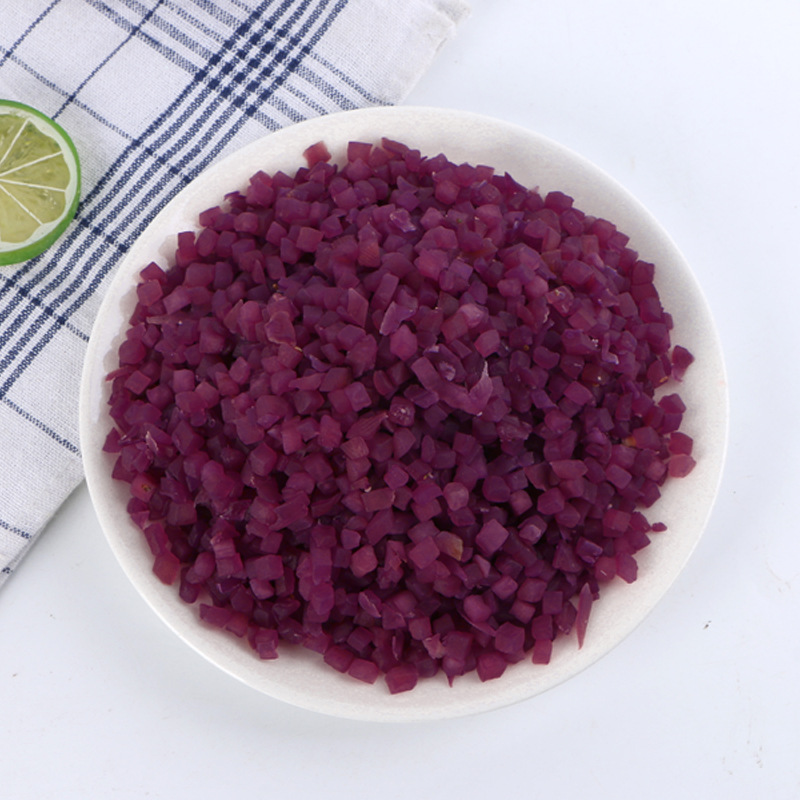
Granules create speckles, small bursts of flavor, and occasional chewy-crisp bits. That texture can make a cookie feel more “loaded” without changing the whole crumb. Sizes like 5×5 mm and up appear on the granules listing, which helps match inclusion size to cookie thickness.
Ingredient Numbers That Keep Decisions Grounded
Specs matter because cookies are sensitive to water balance. The freeze-dried blueberry powder listing on jzhailian includes moisture <7% and shelf life 12 months (1 year), plus cool, dry storage away from strong light and heat. That combination supports a practical advantage: flavor can be added without introducing free water like purées do.
A second useful detail is packaging flexibility. The same listing notes bulk packaging options (10–25 kg) and smaller customized packs. While packaging is not a baking step, it can matter for production planning and staged R&D.
Dosing Ranges That Work in Real Cookie R&D
Dosing becomes much easier when measured as baker’s percentage. In other words, compare the powder weight to the flour weight in dough, or to the sugar/base weight in icings and fillings. Also, starting low is safer because different blueberry powders vary in skin-to-pulp ratio and milling fineness.
Quick dosing table (starting points and practical ceilings)
| Application | Base for % | Gentle | Clear blueberry | Bold (test carefully) |
|---|---|---|---|---|
| Dough | flour weight | 1.0–2.0% | 2.5–4.0% | 4.5–6.0% |
| Glaze / icing | powdered sugar weight | 1.0–2.5% | 3.0–5.0% | 5.5–7.0%* |
| Sandwich filling | filling total weight | 1.5–3.0% | 3.5–5.0% | 5.5–6.5% |
| Sugar dust | dust sugar weight | 0.5–1.5% | 1.5–3.0% | 3.5%+ |
| Granules (inclusions) | dough weight | 1.0–3.0% | 3.0–6.0% | 6.0–10.0% |
*At higher glaze doses, bitterness or “dusty” notes can appear depending on berry skin/seed content and grind. So, treat 5% as a common checkpoint, then adjust with fat or acid balance instead of only adding more powder.
What “gentle” vs “bold” tastes like
At 1–2% in dough, blueberry feels like a background note and the color becomes lightly lavender. At 2.5–4%, the cookie reads clearly as blueberry and the aroma becomes obvious even after cooling. Above 4.5%, intensity rises quickly, yet dryness risk rises too, so recipe balance matters more than raw dose.
When Dose Rises: What Changes, What Breaks, and How to Fix It
A repeatable upgrade comes from watching three things: aroma, color, and texture stability. As dose increases, blueberry solids behave like an extra dry ingredient. That means the dough may absorb more fat and available water, and spread can shift.
Common changes as powder increases
-
Crumb becomes shorter and more fragile.
That happens because extra solids reduce effective moisture and soften gluten development in low-water doughs. -
Spread can reduce slightly.
Less free moisture can keep cookies tighter, especially in shortbread-style formulas. -
Sweetness perception can drop.
Fruit solids and mild acidity can make the same sugar level taste less sweet. -
Finish can turn tannic at extremes.
This is more likely when powders include more skin or tiny seed particles.
Simple fixes that keep the upgrade clean
If dough feels dry at 4.5–6%:
Add 0.5–1.5% extra butter (relative to flour) and mix just until combined. Also, a 15–30 minute rest often helps because flour and fruit solids hydrate more evenly.
If the cookie tastes less sweet than expected:
Add 1–2% invert sugar, honey, or glucose syrup (relative to flour). That lift rounds fruit without pushing the cookie into candy sweetness. A small salt adjustment can help too.
If tannic notes show up in high-dose glaze:
Increase fat in the glaze system, or shift some dose into filling instead. For example, a thin white-chocolate drizzle or butter-based icing can soften edge notes without reducing berry aroma.
If purple looks dull in baked crumb:
Check leavening first, then bake color second. A gray-blue shift often signals too much alkalinity from baking soda.

Mixing Order That Prevents Streaks and Clumps
Streaks usually come from one mistake: powder hitting fat before it disperses. So, the most reliable method is a short dry pre-blend, then staged addition.
Standard workflow for most cookie doughs
-
Weigh blueberry powder, then add it to flour (or powdered sugar for very rich doughs).
-
Whisk dry mix 20–30 seconds until color looks uniform.
-
Cream butter and sugar to the desired texture (less aeration for crisp, more for soft).
-
Add egg or liquid, then mix until smooth.
-
Add the colored dry mix in 2–3 additions on low speed.
-
Rest dough 15–30 minutes, then portion and bake.
This sequence keeps purple even and prevents “pockets” that bake into dark spots. Also, staged addition reduces overmixing, which helps texture stay clean.
Two small adjustments for high-fat doughs
Some buttery doughs still clump because fat coats powder quickly. In that case, whisk the powder into powdered sugar first, then blend with flour. That sugar-first approach breaks clumps more reliably and keeps the dough smooth.
A practical humidity rule
Powder clumps faster in humid rooms, even when the powder is fine. So, keeping containers sealed between scoops is not fussy behavior—it is a texture control step. As a bonus, aroma stays stronger over the day.
Bake Targets That Protect Aroma and Keep Color Bright
Blueberry “pop” is mostly aroma, and aroma is fragile under high heat. Meanwhile, blueberry pigments respond to pH, which is heavily influenced by leavening choice. So, this section keeps the science short and the actions clear.
Leavening ranges that help anthocyanin color
Baking soda raises pH and can push blueberry purple toward duller tones. Therefore, berry-forward cookies often work best with lower soda or more baking powder.
Useful starting ranges (based on flour weight):
-
Baking soda: 0.10–0.30% for berry cookies that need some spread and browning.
-
Baking powder: 0.50–1.50% for lift with gentler pH impact.
If a formula needs soda for texture, balancing with a tiny acid can help. Still, acid in dough can change structure, so a conservative range is better.
A safer acid approach (keep tang out of the crumb)
For dough, use 0.05–0.25% citric acid (relative to flour), and start around 0.10% in test batches. That level can brighten color without turning the cookie sharp. Meanwhile, acidity is easier to add in glaze or filling via lemon juice, yogurt powder, or cultured dairy notes, because those systems can be tuned without affecting dough structure as much.
Temperature and time ranges that protect “pop”
For many cookies with berry powder, a practical bake window is:
-
160–175°C (320–347°F) for 10–14 minutes, depending on cookie size and fat level.
A pale-to-light-golden bake often keeps berry aroma clearer. In contrast, deep browning brings toasted notes that can mask fruit. So, bake to set structure, then stop before heavy caramelization dominates.
Cooling and finishing timing
Finishes work best when applied after cookies cool to warm-room temperature. At that point, steam is lower, so glaze sets cleanly and aroma stays on the surface instead of being driven off.
Three Cookie Formats That Copy Well (With Ratios and Repairs)
Cookie upgrades land best when format choice matches the role of blueberry. So, each format below includes ratios, a build plan, and the fastest repair move when something drifts.
Shortbread: clean base, stable crumb, reliable color
Shortbread makes blueberry feel crisp and clear. Also, low water means powder behaves predictably.
Typical ratio ranges (based on flour weight):
-
Butter: 70–85%
-
Sugar (powdered or fine): 30–45%
-
Salt: 0.8–1.2%
-
Freeze-dried blueberry powder: 2.5–4.0%
-
Optional lemon zest: small amount for lift (avoid heavy acidity in crumb)
Build notes:
Dry-blend powder with flour, then mix until dough just comes together. Also, a short chill (15–25 minutes) helps clean edges in cut cookies.
Fast fixes:
-
If crumb turns sandy or breaks: add 1–2% butter and reduce powder by 0.5% in the next test.
-
If berry feels quiet: keep dough dose, then add a surface glaze at 3–5% (powder vs powdered sugar).
Sugar cookie: flexible base, best with a strong finish
Sugar cookies can hide fruit if vanilla and sweetness dominate. So, the best strategy is a moderate dough dose plus a bright top note.
Dough dose suggestion: 2.0–3.5% (based on flour)
Bake target: set edges, lighter centers, minimal deep browning.
Simple glaze structure (based on powdered sugar):
-
Powdered sugar: 100%
-
Liquid (milk or water): 12–18%
-
Blueberry powder: 3–5%
-
Lemon juice (optional): 2–4% of the liquid portion
-
Salt: a pinch
Fast fixes:
-
If glaze looks grainy: sift powder with sugar first, then add liquid slowly.
-
If glaze tastes “dusty” at high dose: cut powder slightly and add a small butter note or white-chocolate accent.
Sandwich cookie: strongest aroma and the most obvious “upgrade”
This format keeps berry close to the nose, so intensity rises without pushing dough dose too high. Meanwhile, crisp shells provide contrast that makes fruit feel brighter.
Shell strategy: keep shells lightly flavored and not too dark.
Filling strategy: place most berry dose in the filling.
Buttercream-style filling ranges (based on filling total weight):
-
Blueberry powder: 2.5–4.5%
-
Salt: 0.2–0.4%
-
Optional acid: 0.05–0.15% citric acid, only if brightness is needed
Fast fixes:
-
If filling gets stiff: add 1–3% milk or 0.5–1% neutral oil.
-
If berry edge notes rise: add a touch more fat and reduce powder by 0.5%.

Granules vs Powder: Picking the Right “Upgrade Style”
Powder and granules solve different problems, so mixing them intentionally can raise quality without raising cost. In practice, powder creates an even “berry foundation,” while granules create “berry moments.”
When powder is the better choice
Powder fits cookies that aim for smooth color, clean crumb, and consistent flavor. That includes shortbread, sugar cookies, and any dough that needs precise shaping. It also works best in glaze and filling because it disperses quickly.
When granules are the better choice
Granules fit cookies that want speckles, chew points, or a rustic loaded look. Oat cookies, chunky cookies, and cookie bars often benefit. The granules listing includes size options like 5×5 mm, 8×8 mm, and 10×10 mm, which helps match inclusion size to cookie thickness.
For an internal reference, the product page for freeze-dried blueberry granules keeps specs and storage guidance in one place.
Flavor Pairings That Make Blueberry Taste Bigger
Pairing is not about adding many flavors. Instead, pairing is about giving blueberry a clean frame: one bright helper plus one creamy helper is usually enough. Then, a gentle nut or toasted note can add depth.
Bright helpers (use lightly)
-
Lemon zest
-
Yuzu-style citrus notes
-
A small amount of lemon juice in glaze
-
Cultured dairy notes in filling
Creamy helpers
-
Vanilla (kept moderate)
-
Milk powder in dough
-
White chocolate accents
-
Butter-forward base notes
Nut and toast helpers
-
Almond or pistachio
-
Brown butter
-
Light brown sugar
A useful rule keeps clarity: keep any supporting note clearly under blueberry in intensity. When support becomes equal, blueberry stops feeling like the headline.
Troubleshooting: Fast Diagnosis and Fast Repairs
Cookie development always includes “almost right” batches. So, this section focuses on quick repairs rather than theory.
Problem: dough cracks when rolled
That often signals dryness from higher powder dose or low hydration. Add 0.5–1.5% butter (relative to flour) or reduce powder slightly. Also, resting dough 20 minutes can help because solids hydrate more evenly.
Problem: baked cookies taste flat, even with higher dose
Aroma likely baked off, especially with deep browning. Shift some dose into glaze or filling, where aroma stays brighter. A surface finish can outperform extra dough dose.
Problem: purple turns dull or gray-blue
pH is often the culprit. Reduce baking soda and rely more on baking powder. If needed, add a tiny acid dose, and keep it conservative in dough.
Problem: clumps appear as purple freckles
Mixing order usually caused it. Dry-blend powder into flour or powdered sugar first, then add in stages. In humid rooms, sealing between scoops matters as much as whisking.
Problem: “wine-like” or tannic finish
Dose may be too high, or the powder may contain more skin particles. Reduce dose by 0.5–1.0%, then add a small fat bump in glaze or filling. A pinch of salt can also round the finish.
Storage and Handling: Keeping Flavor Stable Between Batches
Freeze-dried powders stay strong when moisture stays low. The jzhailian listing specifies moisture <7%, which helps powder remain free-flowing when stored properly. Still, humidity can creep in during daily use, so simple habits matter.
Practical storage habits that protect performance
-
Keep containers sealed between scoops.
-
Use dry scoops and clean lids to avoid caking.
-
Store away from heat and strong light, as the listing recommends.
-
Stage small working jars, while keeping the main bag sealed.
Shelf life and planning
The same listing states 12 months / 1 year shelf life for the powder. That range supports season planning and repeated test cycles without rushing a project.
For browsing related items in the same supply system, the site’s product catalog provides a broad overview of powders and freeze-dried items.
FAQ: Freeze-Dried Blueberry Powder for Cookie Upgrades
What is a realistic starting dose for dough?
A common starting point is 2.5–3.5% (based on flour weight). That range usually gives clear blueberry identity without immediate texture problems.
What happens when the dose goes too high?
Dough may feel drier and the finish can turn slightly tannic. Usually, more butter and a small sweetness adjustment fix the issue faster than pushing dose higher.
Is glaze more effective than adding more powder to dough?
Often, yes. Aroma is noticed most on the surface, so 3–5% in glaze can create a bigger “pop” than doubling the dough dose.
How can cookie color stay bright after baking?
Avoid heavy alkalinity and avoid overbaking. Lower soda, rely more on baking powder, and keep browning lighter to protect both color and aroma.
Does milling fineness change results?
Yes, noticeably. Fine powder disperses evenly and colors crumb smoothly. Coarser particles can create speckles and occasional pockets of stronger flavor.
Are granules better for “burst” effects?
Granules create visible berry points and bite contrast. They work well in oats, chunky cookies, and cookie bars, especially when a rustic look is planned.
How much citric acid is safe in dough?
A conservative range is 0.05–0.25% (relative to flour), starting around 0.10%. For stronger brightness, adding acidity in glaze or filling is usually easier.
Why can high-dose glaze taste “dusty”?
Skin and seed particle content varies across blueberry powders. At higher doses, those particles can show tannins more clearly. Balancing with fat or lowering dose typically fixes it.
What bake temperatures preserve blueberry aroma best?
Many berry cookies do well at 160–175°C, baked to set structure without deep browning. Lighter color often keeps fruit aroma clearer.
What makes results repeatable across batches?
A short dry pre-blend, staged dry additions, controlled humidity exposure, and consistent bake color tend to matter more than any single ingredient tweak.
Summary and Next Steps
Freeze-dried blueberry powder can upgrade cookies in a way that is easy to repeat: bright aroma, natural purple cues, and stable dough behavior. The most reliable path is a two-layer strategy, where dough provides the base note and glaze or filling provides the “pop.” Also, tight dosing ranges make troubleshooting faster because each adjustment has a clear purpose.
3 actionable suggestions
-
Start with a two-layer test: 3% in dough, then 3–5% in glaze for stronger aroma.
-
Keep color clean: hold baking soda around 0.10–0.30% of flour in berry-forward formulas.
-
Fix dryness early: above 4.5% dough dose, add 0.5–1.5% extra butter and rest dough 20 minutes.
For a homepage reference to the ingredient line discussed throughout this cookie guide, Blueberry Powder can be used as the primary anchor point.