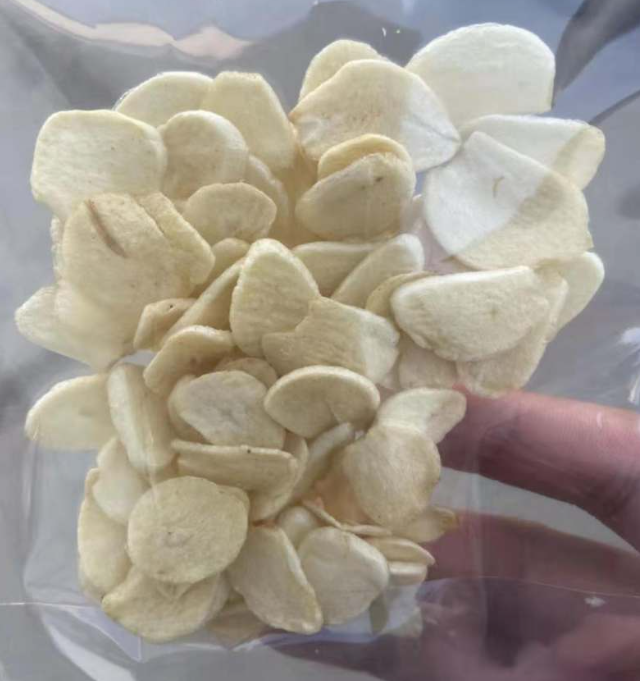
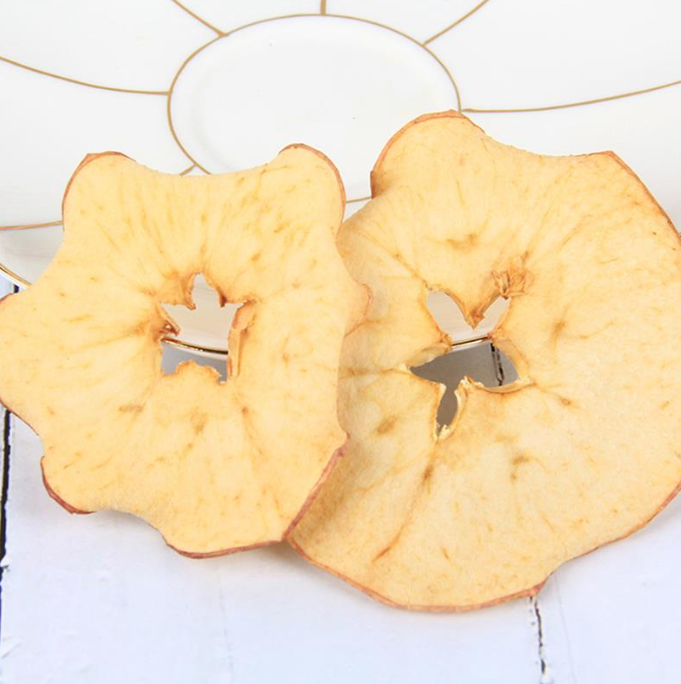
In busy kitchens, bright fruit ingredients often feel impractical. Fresh pitaya looks stunning, yet it can be messy and time-sensitive. By contrast, freeze dried dragon fruit delivers color and convenience in one step. As a result, everyday snacks and recipes become easier to repeat. Meanwhile, the taste stays clean and mild, so pairings remain flexible.
Why freeze-drying feels different from other drying methods
Freeze-drying removes water at low temperatures. Therefore, the fruit’s structure tends to remain airy and porous. In turn, that porous texture explains the signature crisp bite. Moreover, it also explains why pieces soften quickly once they meet moisture.
Heat-dried fruits often turn chewy and concentrated. However, freeze-dried fruit usually tastes lighter and “fresh-leaning.” Consequently, it works well when a recipe needs brightness without heavy sweetness. In addition, the color can stay vivid because high heat is avoided.
What the texture does for everyday food
Texture is the fastest way to make simple food feel special. For example, a plain yogurt bowl can feel repetitive after a few days. Instead, a crisp fruit topping adds contrast and keeps interest high. As a result, breakfast feels more complete without extra cooking.
That same texture also helps in baking. Meanwhile, crispy fruit can create “pockets” of crunch in cookies and bars. Therefore, one ingredient can support both snacking and recipe structure.
What the flavor contributes
Pitaya is usually gentle in flavor. Consequently, it rarely dominates a blend. That mildness is useful because it allows stronger partners to lead. Meanwhile, pitaya can still provide a clean fruit note and a fresh aroma.
In other words, pitaya often plays a supporting role. Therefore, it can reinforce sweetness perception without adding syrupy heaviness. Additionally, the bright color adds visual impact even in small amounts.
Forms that matter: granules, powder, slices, and crisps
Different forms behave differently in recipes. Therefore, choosing the right cut saves time and reduces disappointment. Meanwhile, each form supports a different “job,” such as crunch, color, or blending.
Crunchy granules for even distribution
Granules spread easily across food surfaces. As a result, each bite gets a little crunch and color. Moreover, granules mix into cereals and granola without sinking to the bottom.
Because granules are small, they soften faster in wet bases. Therefore, timing matters more than quantity. In practice, granules shine as a finishing layer rather than a mix-in.
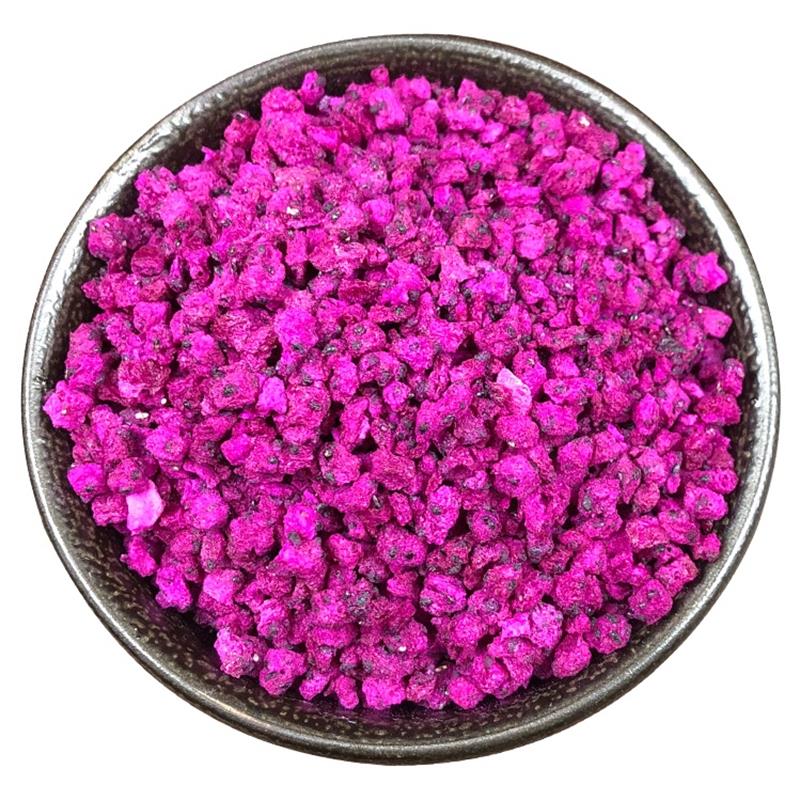
Flavor and texture notes
-
First, the crunch is airy and quick-melting.
-
Next, the sweetness stays gentle and clean.
-
Finally, the aftertaste remains neutral, so pairings stay open.
Where granules fit best
-
Additionally, sprinkle over yogurt or chia pudding right before serving.
-
Meanwhile, add to granola clusters for color without stickiness.
-
Consequently, use as a topping for ice cream to keep it light.
Powder for smooth blending and uniform color
Powder is the most versatile form for mixing. Therefore, it works well in smoothies, batters, and icings. Meanwhile, powder can tint a base evenly without visible pieces.
Because powder absorbs moisture quickly, it can clump. Therefore, whisking technique matters. In many cases, a small “slurry” prevents lumps and keeps texture smooth.

Flavor and handling notes
-
However, the fruit taste is subtle, so bases provide most sweetness.
-
For example, vanilla, coconut, and banana lift the aroma naturally.
-
As a result, powder behaves like a gentle enhancer, not a loud flavor.
Where powder fits best
-
Also, blend into smoothie bowls for stable color.
-
Then, whisk into pancake batter for a vivid crumb.
-
Moreover, stir into frosting for a pastel finish without artificial dyes.
Larger pieces for “feature bites” in snack mixes
Bigger pieces feel satisfying. Therefore, they work well in trail mixes and snack jars. Meanwhile, larger pieces stay crisp longer in dry blends because less surface touches moisture.
That said, large pieces can break during transport. Consequently, sturdy containers help. In addition, portioning into smaller jars reduces crushing over time.
Crisp fruit companions that amplify pitaya’s mildness
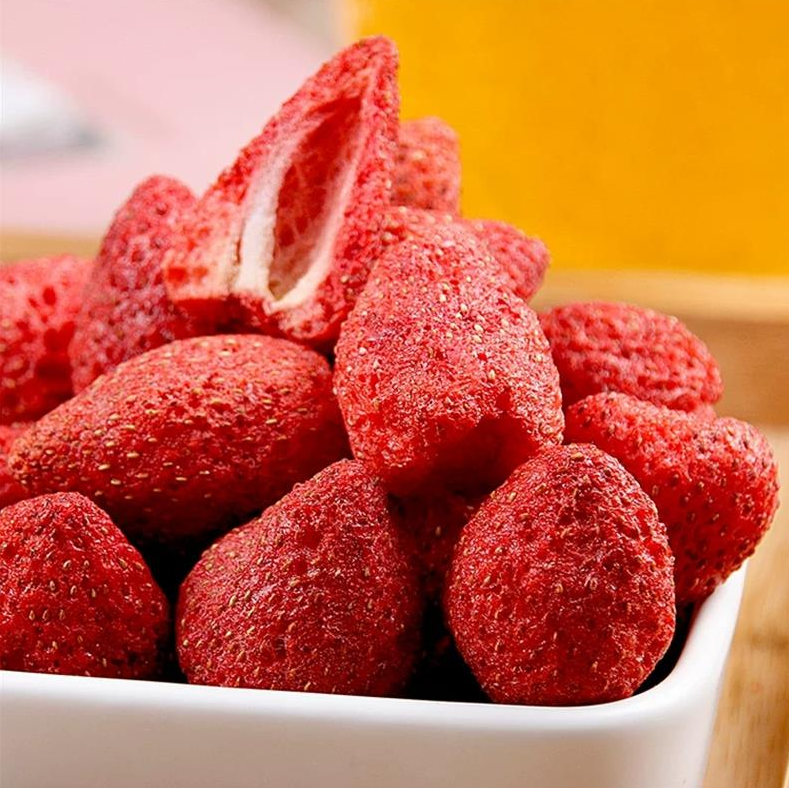
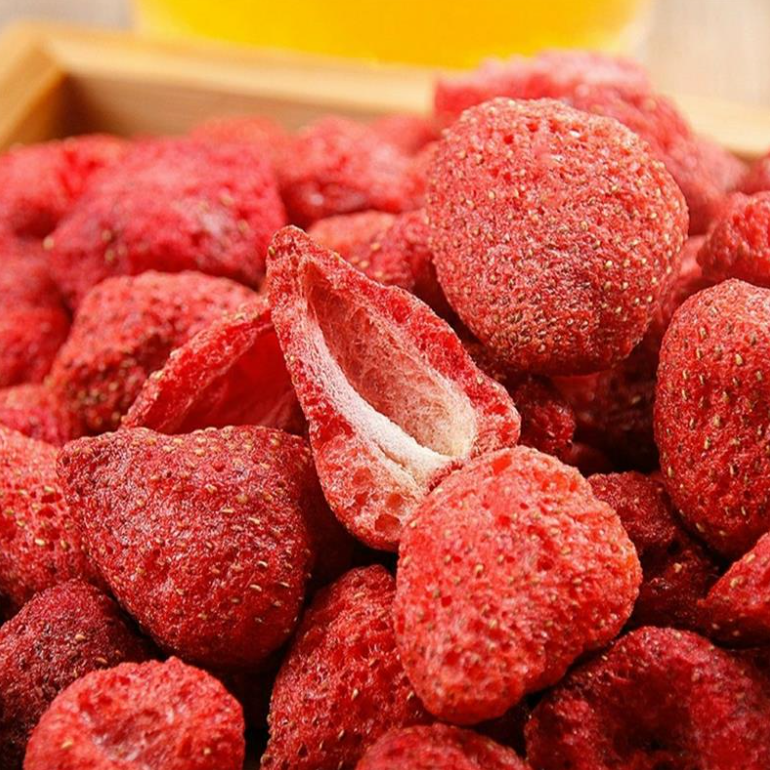
Pitaya’s gentle profile pairs well with bolder fruits. Therefore, mango and strawberry are helpful companions. Meanwhile, those fruits also add stronger aroma and acidity, which can brighten mild blends.
Later sections use mango and strawberry as pairing anchors. Consequently, snack ideas become easier to build and repeat.
Practical benefits in daily eating
Benefits become clearer when grouped by outcomes. Therefore, this section focuses on what changes in a real kitchen. Meanwhile, each benefit includes a simple way to use it.
Benefit 1: Visual impact with minimal effort
Color changes perception. For example, bright magenta can make plain foods look intentional. As a result, simple breakfasts and desserts feel more “finished.”
Because pitaya color shows strongly, small amounts can be enough. Therefore, a spoonful of granules or a pinch of powder often works. Meanwhile, that helps keep usage economical.
Easy ways to use the color
-
First, dust powder over oatmeal after cooking.
-
Next, swirl powder into yogurt for a marbled look.
-
Additionally, finish desserts with crushed crisp fruit for contrast.
Benefit 2: Light crunch without frying
Crisp texture can be hard to add without oil. However, freeze-dried fruit brings crunch naturally. Consequently, snacks can feel satisfying while staying light.
That airy crunch also melts quickly. Therefore, it avoids the “hard candy” feel some crunchy snacks have. Moreover, it pairs well with creamy bases that soften the bite.
Benefit 3: Quick portioning and easy storage
Fresh fruit often requires peeling, cutting, and cleanup. By contrast, freeze-dried fruit needs almost no prep. As a result, snack building takes minutes, not steps.
Storage is simpler too. Therefore, pantry space becomes workable for repeat use. Meanwhile, a good container keeps texture crisp for longer.
Benefit 4: Flexible pairing with sweet, creamy, or roasted notes
Pitaya rarely clashes. Consequently, it can sit beside nuts, yogurt, oats, and chocolate. Meanwhile, it can also support fruit-forward blends with berries and tropical fruits.
In addition, mild flavor reduces the risk of “flavor fatigue.” Therefore, it can be used frequently without feeling heavy or sticky.
How to choose well: a clear selection framework
Selection feels easier with a framework. Therefore, the steps below focus on role, quality cues, and storage reality. Meanwhile, each step aims to prevent common disappointment.
Step 1: Define the role before choosing the cut
A cut should match a job. Therefore, start with the outcome: crunch, color, or feature bite. Meanwhile, the best choice often becomes obvious.
If the job is color and blending
-
First, choose powder for smooth mixing.
-
Next, plan a base flavor like vanilla or coconut.
-
Additionally, use a small slurry to prevent clumps.
If the job is topping crunch
-
Meanwhile, choose granules or small crisps.
-
Then, add them at the end to protect texture.
-
Consequently, keep wet bases and dry toppings separate.
If the job is snack satisfaction
-
Also, choose larger pieces for a slower crunch.
-
Next, store in rigid containers to reduce breakage.
-
Finally, keep blends dry to preserve crispness.
Step 2: Check the ingredient statement for simplicity
Ingredient simplicity helps versatility. Therefore, single-ingredient fruit can be easiest to use across recipes. Meanwhile, extra sugars or oils can shift texture and flavor direction.
Even when additives are minimal, consistency matters. Consequently, reliable labeling and clear processing notes help selection. In addition, predictable particle size makes recipes easier to repeat.
Step 3: Use sensory cues: color, aroma, and snap
Color should look vivid rather than dull. Therefore, bright pigment can be a good sign. Meanwhile, aroma should feel fresh and lightly fruity, not stale.
Texture is the clearest cue. For example, pieces should snap cleanly, not bend. As a result, crunch performance tends to be better in real use.
Step 4: Match moisture exposure to the form
Moisture decides texture. Therefore, wet recipes favor powder, while dry recipes favor pieces. Meanwhile, toppings should be added late to delay softening.
A simple rule helps: the wetter the base, the more the fruit should stay on top. Consequently, crunch stays noticeable longer.
Storage and handling: keeping crispness for weeks
Crispness is mostly humidity control. Therefore, airtight storage is the priority. Meanwhile, steady temperatures reduce condensation risk.
The best daily storage pattern
A pantry shelf is often ideal. Therefore, avoid spots near steam or frequent temperature swings. Meanwhile, a smaller “daily jar” can protect the main bag from repeated opening.
If humidity is high, extra steps help. Consequently, desiccant packs can be useful in sealed containers. In addition, opening containers quickly and closing them firmly reduces moisture exposure.
Simple storage habits
-
First, keep a weekly portion in a small airtight jar.
-
Next, seal the main supply tightly and open it less often.
-
Additionally, avoid storing near kettles, ovens, or dishwashers.
Handling rules that protect texture and color
Dry tools matter. Therefore, avoid wet spoons inside containers. Meanwhile, crushing pieces should happen close to use because aroma fades after crushing.
Powder needs gentler handling. Consequently, whisking into a small amount of liquid first reduces lumps. In addition, heat can dull color over time, so late addition helps.
When softening is actually useful
Softening can be intentional. For example, rehydrated fruit can work in fillings, sauces, or compotes. Therefore, a short soak can expand uses beyond crunch.
However, soaking can wash out some aroma. Consequently, using tea or juice as a soaking medium can add flavor back. Meanwhile, draining well prevents watery fillings.
Everyday snack builds that feel natural, not “recipe heavy”
Snack ideas should reduce friction. Therefore, this section uses short steps and stable ingredients. Meanwhile, each build includes pairing logic to keep flavors balanced.
Snack build 1: Creamy base + crisp top + roasted finish
This is the most reliable pattern. Therefore, it works for breakfasts, desserts, and quick snacks. Meanwhile, each layer plays a role: cream for comfort, fruit for brightness, nuts for depth.
How it comes together
-
First, start with yogurt, skyr, or coconut yogurt.
-
Next, add granules or crushed crisps as the bright layer.
-
Finally, finish with toasted nuts or seeds for roasted notes.
Why it works
-
Moreover, the creamy base carries aroma and smooths the bite.
-
However, the crisp layer keeps the snack from feeling flat.
-
Consequently, the roasted finish adds depth without extra sweetness.
Snack build 2: “Color cue” trail mix that stays balanced
Trail mix can drift toward too much sweetness or too much nut heaviness. Therefore, using color as a cue keeps the blend balanced. Meanwhile, bright fruit pieces make distribution easy to see.
A practical ratio
-
First, include one bold fruit element as the lead.
-
Next, add a neutral crunch base, like puffed grains.
-
Also, include nuts or seeds for richness and staying power.
Taste balance tips
-
Meanwhile, a pinch of salt sharpens fruit notes.
-
Additionally, cocoa nibs add bitterness without syrupy sweetness.
-
Therefore, dried coconut can soften acidity without adding sticky sugar.
Snack build 3: Oatmeal finisher that keeps crunch longer
Hot oats can taste uniform. Therefore, toppings should come after cooking. Meanwhile, adding crisp fruit late prevents immediate softening.
Steps
-
First, cook oats and remove them from heat.
-
Next, add milk, yogurt, or nut butter for creaminess.
-
Finally, scatter granules and crushed crisps on top.
Pairing suggestions
-
Additionally, cinnamon increases perceived sweetness naturally.
-
Meanwhile, coconut and vanilla amplify the mild fruit aroma.
-
Consequently, a small pinch of salt makes flavors clearer.
Snack build 4: Chocolate bark with bright crunch
Chocolate and vivid fruit look striking together. Therefore, bark is an easy format. Meanwhile, crisp fruit adds texture without complicated technique.
How to build it
-
First, melt chocolate and spread it thinly on parchment.
-
Next, sprinkle granules and crushed strawberry crisps.
-
Finally, add roasted nuts for structure and bite.
Texture note
-
However, moisture in storage can soften toppings.
-
Therefore, store bark in airtight containers in a cool place.
-
Additionally, add fruit toppings after chocolate cools slightly for grip.
Pairings that consistently taste “right”
Pairing gets easier when one ingredient leads. Therefore, pitaya can focus on color and light fruit notes. Meanwhile, a stronger partner can carry aroma or acidity.
Mango: tropical sweetness that anchors mild blends
Mango brings a sunny, ripe profile. Therefore, it can serve as the flavor anchor. Meanwhile, pitaya adds color and light sweetness around it.

Where mango pairs best
-
First, combine with cashews for a buttery finish.
-
Next, add coconut flakes for a tropical “roundness.”
-
Additionally, include a few crisp granules for color contrast.
Strawberry: tang and aroma that lift creamy bases
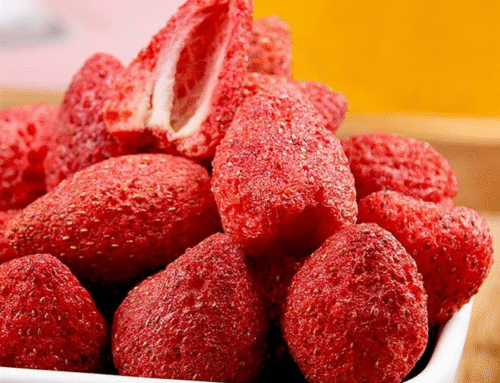
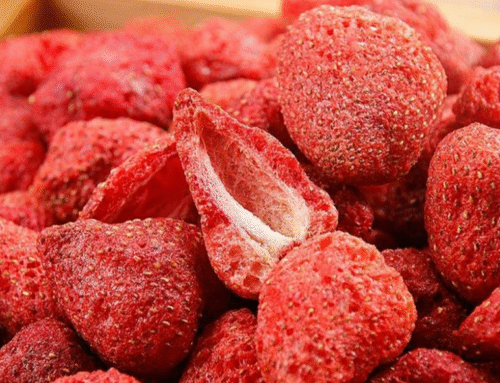
Strawberry adds tartness and strong aroma. Therefore, it can brighten yogurt and chocolate. Meanwhile, it helps prevent mild fruit blends from feeling too quiet.

Where strawberry pairs best
-
First, crush and use as a natural dessert topping.
-
Next, fold lightly into granola for berry bursts.
-
Moreover, pair with cocoa for a classic sweet-tart contrast.
Creamy bases: yogurt, kefir, coconut, soft cheeses
Creamy bases support mild fruit. Therefore, they help aroma feel fuller. Meanwhile, fat carries flavor and softens sharp edges from tart companions.
In practice, creamy bases also protect texture. Consequently, placing crisp fruit on top keeps crunch longer. Additionally, creamy bases allow smaller portions of fruit to feel impactful.
Roasted notes: nuts, seeds, toasted grains
Roasted notes add depth. Therefore, they balance bright fruit colors and aromas. Meanwhile, toasted grains add crunch that lasts longer than fruit alone.
A reliable approach is “bright + roasted + creamy.” Consequently, bowls and mixes feel complete. In addition, salt in roasted ingredients can sharpen fruit perception.
Gentle aromatics: vanilla, cinnamon, ginger, mint
Vanilla and cinnamon are easy supports. Therefore, they fit daily use without feeling complex. Meanwhile, ginger adds warmth that works well with mango.
Mint is best used lightly. Consequently, it can freshen chilled bowls and drinks. Additionally, floral notes can work, yet they should stay subtle to avoid overpowering mild fruit.
Using pitaya in baking and desserts without losing texture
Baking introduces heat and moisture. Therefore, placement and timing matter. Meanwhile, the chosen form also determines success.
Batters: powder performs best
Powder blends into batters smoothly. Therefore, it creates a consistent crumb color. Meanwhile, it avoids the “wet pockets” that pieces can create.
Best uses
-
First, pancakes and waffles for bright color.
-
Next, muffins when a gentle fruit note is preferred.
-
Additionally, sponge cakes when uniform color matters.
Doughs: pieces should be added late
Cookie dough can soften crisp fruit quickly. Therefore, pieces should be folded in at the end. Meanwhile, larger pieces tend to hold structure slightly longer.
For best results, mix briefly. Consequently, breakage stays minimal. In addition, topping cookie surfaces with granules can create a decorative finish.
Frostings and fillings: whisking technique is key
Powder can clump in cold fats. Therefore, mixing powder into a small amount of warm liquid first can help. Meanwhile, adding that mixture slowly improves smoothness.
If a filling is moisture-heavy, color can fade faster. Consequently, keeping fillings cool and covered helps. Additionally, adding powder late preserves vibrancy.
Dessert finishing: crushed crisps feel natural and bright
Crushed crisp fruit creates an elegant finish. Therefore, it can replace artificial sprinkles. Meanwhile, it also adds aroma right at serving.
However, crushed particles absorb moisture quickly. Therefore, add them shortly before serving. Consequently, texture stays crisp and aroma stays bright.
Drinks and smoothie bowls: color, aroma, and mouthfeel
Drinks need smooth texture. Therefore, powder is usually the best fit. Meanwhile, crisp pieces work better as garnish than as mix-ins.
Smoothies: use a slurry for a smoother blend
Powder meets liquid and clumps easily. Therefore, whisking powder into a small amount of liquid first helps. Meanwhile, adding that slurry to the blender spreads color evenly.
A creamy base supports mild fruit. Consequently, banana, yogurt, or coconut milk work well. Additionally, mango can act as the flavor anchor when needed.
Smoothie bowls: combine powder in the base, crunch on top
Smoothie bowls benefit from both roles. Therefore, powder colors the base. Meanwhile, granules and crushed crisps add crunch and contrast.
A simple bowl approach helps repeatability. Consequently, a base + topper + roasted finish pattern works here too. In addition, adding toppings right before eating preserves texture.
Sparkling drinks: use powder lightly
Sparkling drinks can foam with powders. Therefore, small amounts are better. Meanwhile, stirring gently reduces bubbles and keeps the drink clear-looking.
Citrus can dominate mild fruit. Consequently, citrus should stay light if used. Additionally, vanilla or coconut water can soften sharp notes.
Common pitfalls that reduce enjoyment
Most issues come from timing, moisture, or expectations. Therefore, a few small adjustments prevent frustration. Meanwhile, these fixes also help keep results consistent.
Pitfall 1: mixing crisp pieces into wet bases too early
Wet bases soften crisp fruit quickly. Therefore, toppings belong at the end. Meanwhile, granola can act as a barrier between yogurt and fruit.
Even a short delay helps. Consequently, adding fruit right before serving often solves the problem. Additionally, storing toppings separately keeps texture intact.
Pitfall 2: expecting strong sweetness from pitaya
Pitaya is usually mild. Therefore, sweetness often comes from the base recipe. Meanwhile, vanilla and ripe banana can increase perceived sweetness naturally.
If more fruit flavor is desired, add a stronger partner. Consequently, strawberry or mango can lead the profile. Additionally, a pinch of salt can sharpen sweetness perception.
Pitfall 3: overpowering with citrus or strong spice
Citrus and spice can dominate. Therefore, treat them as accents. Meanwhile, creamy bases buffer sharp edges.
A light touch goes far. Consequently, zest can work better than heavy juice. Additionally, cinnamon is often safer than strong ginger in mild blends.
Pitfall 4: storing opened product where humidity is high
Humidity steals crunch. Therefore, airtight containers matter. Meanwhile, smaller jars reduce moisture exposure during frequent snacking.
If texture softens, it is not always a loss. Consequently, softened pieces can be used in fillings or oatmeal. Additionally, dry storage habits prevent softening in the first place.
FAQ: benefits, uses, and selection logic
What is the practical difference between granules and powder?
Granules add visible crunch and a scattered look. Meanwhile, powder blends smoothly and colors evenly. Therefore, granules suit toppings and mixes, while powder suits drinks and batters.
Which option works best for a smooth smoothie texture?
Powder is the simplest option for smooth blends. Therefore, it works well with yogurt, banana, and coconut milk. Meanwhile, pieces fit better as garnish rather than mix-ins.
How can crispness last longer on yogurt or ice cream?
Timing matters most. Therefore, add crisp fruit right before serving. Meanwhile, using granola as a barrier reduces moisture contact. Consequently, crunch stays noticeable longer.
Why does pitaya sometimes taste “quiet” in recipes?
The flavor profile is naturally mild. Therefore, the base recipe often determines sweetness and aroma. Meanwhile, pairing with mango or strawberry can add a stronger fruit signature.
What pairings make mild pitaya feel fuller?
Creamy bases help aroma carry. Therefore, yogurt, coconut, and soft cheeses work well. Meanwhile, roasted nuts add depth and balance. Consequently, the overall profile feels more complete.
How can powder clumping be reduced?
Clumping happens when powder hits liquid too quickly. Therefore, whisking powder into a small amount of liquid first helps. Meanwhile, adding that slurry gradually keeps the texture smooth.
Can pitaya-style fruit work in savory dishes?
Yes, in small amounts. Therefore, treat it as a garnish for color and crunch. Meanwhile, salty cheese and toasted nuts balance sweetness. Consequently, savory bowls can feel brighter without tasting like dessert.
What is a simple way to build a balanced snack mix?
A balanced mix needs fruit, crunch, and richness. Therefore, combine one bold fruit (like mango) with nuts and a neutral base. Meanwhile, adding a small amount of bright granules improves color distribution.
How should opened freeze-dried fruit be stored?
A cool, dry place works best. Therefore, airtight containers are important. Meanwhile, portioning into smaller jars reduces repeated humidity exposure.
When is powder the better choice than pieces?
Powder is better when smoothness and even color matter. Therefore, it fits drinks, batters, and frostings. Meanwhile, pieces are better when crunch and visible texture are the goal.
Conclusion: a simple way to keep results consistent
Freeze-dried pitaya works best when the form matches the job. Therefore, powder fits blending and uniform color, while granules fit finishing crunch. Meanwhile, pairing with creamy bases and one bolder fruit note creates balance. Consequently, bowls, snacks, desserts, and drinks become easier to repeat.
Three actionable ideas to apply right away
-
First, keep two forms available: powder for mixing and granules for topping.
-
Next, add crisp fruit at the end to protect texture in wet foods.
-
Finally, build pairings around one strong partner, such as mango or strawberry.
Within that approach, freeze dried dragon fruit becomes a reliable, low-effort ingredient for daily routines. Therefore, consistent timing, airtight storage, and role-based selection keep color vivid and crunch satisfying.