Introduction
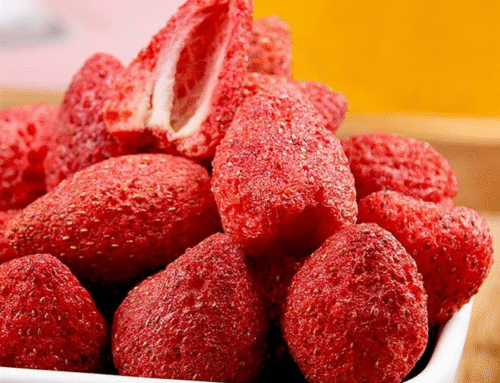
Snacking often fails because texture fades, flavors feel flat, and options spoil quickly. However, berry-based choices can still feel fresh, bright, and easy to store. That is where freeze dried raspberry fits naturally into modern routines. Instead of relying on heavy coatings, this fruit format brings crisp bite and vivid aroma. Moreover, it supports simple ingredient lists and flexible serving styles.

What freeze-drying preserves that matters in snacking
Fresh raspberries taste wonderful, yet they break down quickly after harvest. Meanwhile, heat-dried berries can last longer, but they may lose delicate aroma notes. Freeze-drying follows a lower-temperature path that removes water without heavy cooking. Therefore, the result often keeps a more “just-picked” style fragrance.
Crisp structure creates a different eating experience
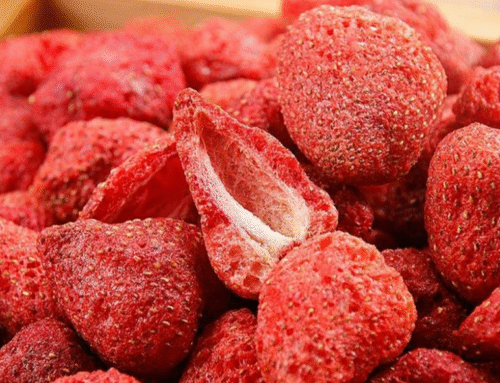
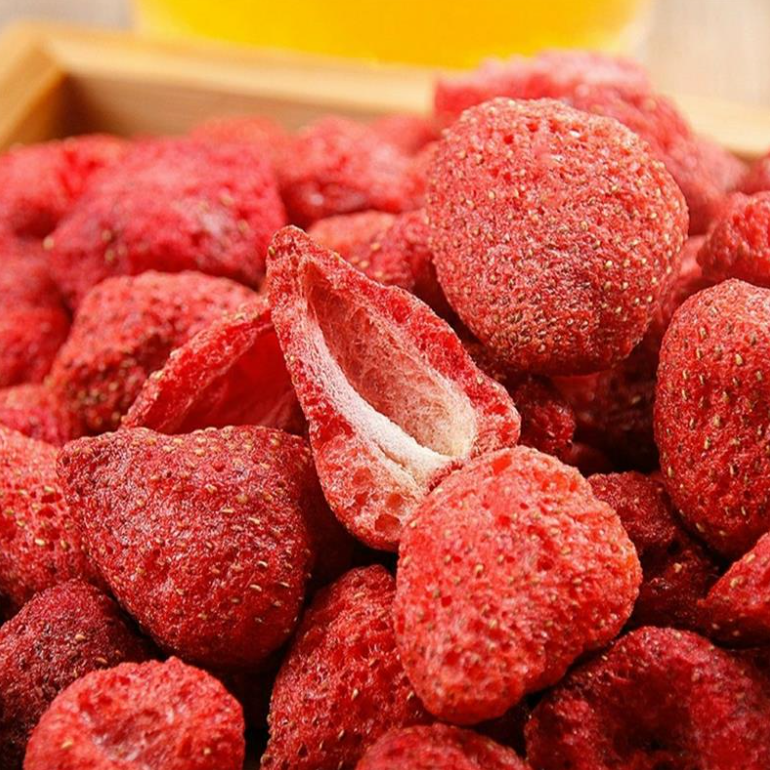
Texture shapes snack satisfaction more than most people expect. In particular, a crisp bite can feel lighter than chewy fruit pieces. As a result, berry pieces blend smoothly into trail mixes and granola clusters. Moreover, the porous structure softens quickly on the tongue, which reduces stickiness.
Aroma stays bright when moisture stays low
Raspberry aroma relies on volatile compounds that can fade with heat. However, a gentle drying approach helps keep those notes recognizable. Consequently, even small amounts can lift a blend’s fruit impression. In addition, aroma releases quickly once the piece breaks, which boosts perceived freshness.
Color remains vivid in dry systems
Color signals flavor before the first bite. That is why stable red tones matter in toppings and inclusions. In dry environments, the berry color tends to stay lively and clean. Still, moisture exposure can trigger softening and color bleed. Therefore, format choice and packaging barriers remain important.
Benefits that support smarter everyday snacking
A snack becomes “smart” when it repeats easily without extra planning. Therefore, practical benefits matter more than novelty. Freeze-dried berries often match that need because they store well and portion cleanly. Moreover, they work across multiple eating moments without feeling heavy.
Shelf stability reduces food waste
Fresh berries can spoil within days, especially in warm logistics. In contrast, low-moisture fruit formats hold longer when stored correctly. That stability supports pantry routines and predictable replenishment cycles. As a result, fewer packs get discarded for texture loss.
Lightweight pieces travel well
Portability matters for desk drawers, travel bags, and outdoor kits. Since the fruit has low water weight, packs feel lighter than fresh fruit portions. Additionally, crisp pieces resist bruising compared with fresh berries. Therefore, they suit long shipping routes and multi-stop handling.
Strong flavor without heavy sweetness
Raspberries naturally bring tartness and fragrance. That profile can feel satisfying without syrupy coatings. Consequently, snack blends can stay cleaner in taste and ingredient direction. Meanwhile, natural sweetness from other fruits can balance acidity when needed.
Easy pairing with protein and fat sources
Balanced snacking often relies on texture contrast and flavor contrast. Nuts, seeds, yogurt-style bases, and chocolate pair naturally with berry tartness. Moreover, berry aroma can keep “healthy” mixes from tasting dull. Therefore, small berry additions can improve repeat purchases and menu rotation.
Taste profile and “flavor language” for better positioning
Flavor descriptions shape expectations, especially for berry-based items. Therefore, clear “taste language” helps align product choice with usage. Raspberry tends to deliver bright acidity, floral top notes, and a clean finish. Additionally, seed notes can show up as mild nuttiness in some batches.
Core taste notes
-
Top note: fresh berry aroma with floral hints
-
Mid note: tangy, slightly sweet fruit body
-
Finish: clean acidity with a light seed-like nuance
Mouthfeel descriptors that stay useful
-
Crisp and airy for dry snacking blends
-
Quick-melting for dairy and chocolate pairings
-
Light crunch for cereal and granola use
Simple pairing rules that work repeatedly
First, pair tart berries with creamy or sweet bases for balance. Next, pair berries with cocoa notes for contrast and depth. Finally, pair berries with citrus for a sharper, more refreshing profile. Consequently, pairing decisions become predictable rather than experimental.
Formats and how each format performs
Format choice decides how the fruit behaves in a recipe or snack blend. Therefore, selection should start with the desired texture outcome. Whole berries emphasize visual appeal and premium perception. Meanwhile, smaller cuts spread flavor more evenly across servings.
Whole berries for premium visuals
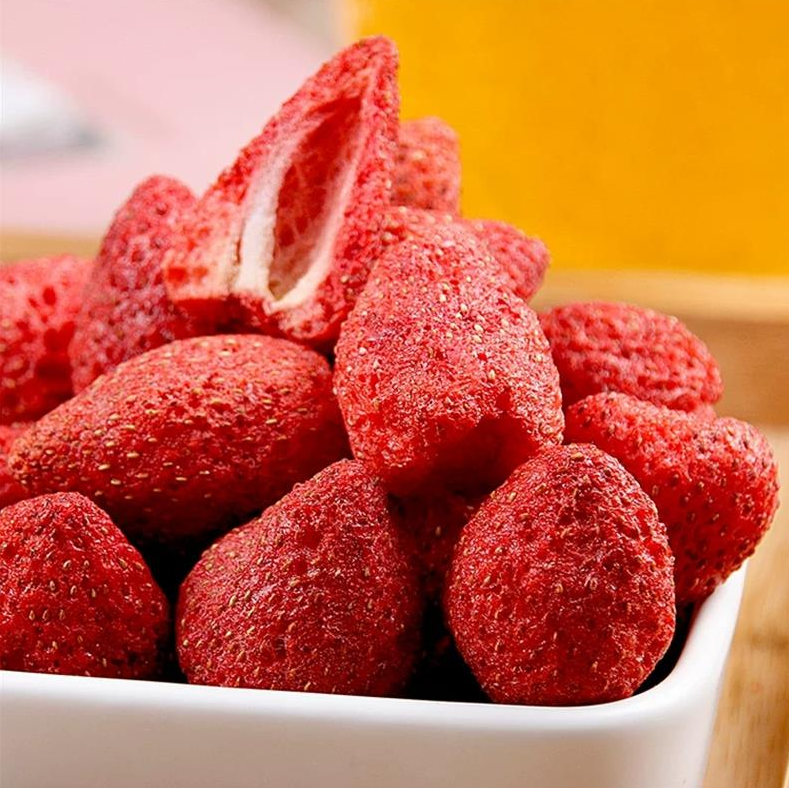
Whole berries create a “real fruit” cue at first glance. As a result, they work well in top-layer garnish and premium mixes. However, whole berries can crumble under heavy compression. Therefore, gentler blending and stronger packaging reduce breakage.
Best-fit scenarios
-
Decorative toppings for bowls and desserts
-
Premium trail mix blends
-
Gift-style snack assortments
Slices for even distribution and faster hydration
Slices lay flat and disperse throughout mixes more evenly than whole berries. Moreover, slices hydrate faster in dairy bases, which can be useful for layered desserts. However, slices can soften quickly when exposed to humidity. Therefore, moisture barriers matter even more.
Best-fit scenarios
-
Granola and cereal blends
-
Chocolate bark and inclusions
-
Parfait layers and dessert cups
Diced pieces and granules for controlled dosing
Smaller pieces deliver consistent flavor in each bite. In addition, they reduce the risk of large, uneven berry bursts. Consequently, bars, cookies, and clusters often perform better with granules. Meanwhile, dust control becomes important for packaging appearance.
Best-fit scenarios
-
Energy bars and protein bites
-
Cookies, muffins, and baked inclusions
-
Ice cream variegates and chocolate fillings
Powder for fast color and fast flavor
Powder dissolves quickly and colors systems evenly. Therefore, it fits beverages, frostings, and dry blends. However, powder pulls moisture rapidly and can clump. As a result, anti-caking strategies and humidity control become essential.
Best-fit scenarios
-
Smoothies and drink mixes
-
Frosting, glaze, and chocolate tinting
-
Seasoning blends for sweet-and-savory concepts
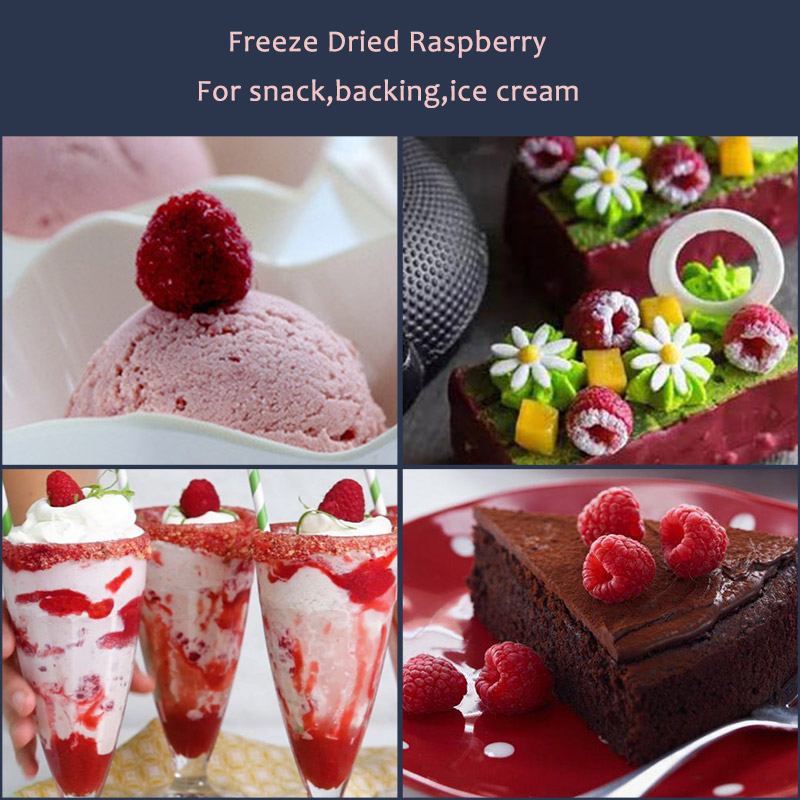
Where this ingredient shines in daily routines
Snacks succeed when they match real schedules. Therefore, practical use cases matter more than elaborate recipes. Berry pieces often fit best in breakfast, midday breaks, and travel situations. Moreover, they support both sweet and lightly savory profiles.
Breakfast upgrades that stay simple
Breakfast often benefits from a bright element. For example, oatmeal and yogurt bases can feel heavy without acidity. Berry additions add contrast and help the bowl feel fresher. Consequently, the same base recipe can feel new with small changes.
Easy breakfast placements
-
Rolled oats with nuts, berry pieces, and cinnamon
-
Yogurt-style bowls with crisp toppings added at serving
-
Overnight oats with berry powder mixed into the base
Midday desk snacks with less mess
Desk snacks require clean handling and stable storage. Fresh fruit can leak and stain, which creates friction. Meanwhile, crisp fruit pieces portion easily and store neatly. Therefore, desk-friendly blends often include berries plus nuts or seeds.
Desk-friendly blend ideas
-
Almonds + berry pieces + cacao nibs
-
Coconut chips + berry pieces + roasted pumpkin seeds
-
Granola clusters + berry granules for even flavor spread
Outdoor and travel scenarios
Outdoor eating needs lightweight foods with stable quality. Because of that, low-moisture fruit fits hiking packs and travel kits. Moreover, berry acidity can refresh the palate during long activity days. Therefore, trail mix formats often benefit from berry inclusions.
Travel-strong options
-
Trail mix with berries, cashews, and a light salt note
-
Dry cereal blend with berry granules for consistent dosing
-
Beverage powders with berry powder for quick mixing
Dessert and baking support
Baking often dulls delicate fruit aroma. However, the right format can still carry flavor and color. In addition, berry powder can tint frosting without synthetic dyes. Therefore, desserts can keep a clean-label direction while still looking vibrant.
Dessert placements
-
Powder in frosting, glaze, or white chocolate coatings
-
Granules folded into cookie dough for even distribution
-
Whole berries used as a finishing garnish after cooling
Pairing playbook: ingredients that consistently work
Pairing decisions can be guided by a simple goal: soften tartness or highlight it. Therefore, pairing lists help avoid trial-and-error. Creamy partners round the acidity, while citrus partners sharpen it. Meanwhile, cocoa partners add depth and reduce perceived sourness.
Pairings that soften the tart edge
Cream, vanilla, and mild nuts round the profile. Additionally, gentle sweetness from banana or mango balances acidity. Consequently, the snack feels smoother and more dessert-like.
Reliable softening partners
-
Yogurt-style bases, milk powders, coconut milk notes
-
Vanilla, white chocolate, caramelized cereal notes
-
Banana, mango, peach, and apple
-
Almond, cashew, macadamia, and sesame
Pairings that sharpen and refresh
When the goal is a bright profile, citrus and floral notes work well. However, dosing matters because acidity can stack quickly. Therefore, small additions often perform better than heavy layering.
Reliable brightening partners
-
Lemon zest, yuzu notes, lime peel
-
Hibiscus, mint, rose-adjacent floral hints
-
Green tea notes and light botanicals
-
Sea salt to sharpen aroma and reduce flatness
Pairings that add depth and “adult” character
Dark chocolate and roasted notes balance berry brightness. Moreover, cocoa bitterness can make berry aroma feel more complex. Consequently, snack bars and bark formats often use this pairing.
Reliable depth partners
-
Dark chocolate, cocoa nibs, espresso notes
-
Toasted oats, brown rice crisps, roasted nuts
-
Warm spices like cinnamon and cardamom
-
A small salt note for contrast
Light savory pairings that still feel natural
Berry powder can work like a tart seasoning. For example, it can brighten vinaigrette-style profiles in dry mixes. Additionally, pepper notes can add complexity without pushing sweetness. Therefore, savory-leaning concepts can still stay approachable.
Savory-leaning partners
-
Black pepper, mild chili, smoked paprika
-
Herb notes like mint or basil-adjacent profiles
-
Balsamic-style acidity notes
-
Goat-cheese style or feta-adjacent flavor cues
Managing texture: keeping crispness where it matters
Crispness is mostly a moisture story. Therefore, storage and handling decide whether pieces stay crunchy. Humidity exposure softens fruit quickly, especially after opening. Consequently, packaging and usage timing matter as much as ingredient quality.
Storage habits that protect crisp bite
First, seal packs tightly after opening. Next, store in a cool and dry area away from heat. Additionally, avoid storing near strong odors because fruit absorbs aromas. Therefore, simple storage discipline protects both flavor and texture.
Practical storage rules
-
Use moisture-barrier bags or tight containers
-
Keep storage away from sunlight and heat sources
-
Open briefly and reseal quickly
-
Separate from spices and strong-smelling foods
Mixing technique to reduce breakage
Whole berries can crack under heavy mixing. Therefore, adding fruit late in the mixing process helps. Additionally, slower mixing speeds reduce crumbling. As a result, the finished pack looks cleaner and more premium.
Mixing sequence that works
-
Blend dry base ingredients first
-
Fold berries at the end
-
Pack gently to reduce compression
-
Minimize long transport vibration where possible
Keeping crunch in wet systems
In yogurt or ice cream, pieces will soften because moisture migrates. However, crunch can be preserved through separation. Therefore, topper-style packaging often works best. Alternatively, a coating barrier can slow hydration in inclusions.
Common approaches
-
Keep fruit separate until serving
-
Use chocolate coating for inclusions
-
Add fruit at final assembly stages
-
Avoid long holding times in high-moisture bases
Application guide for common food categories (Natural raspberry powder)
Different categories place different demands on natural raspberry powder. Therefore, choosing the right use method matters. Some systems challenge powders with heat. Meanwhile, others challenge powders with moisture and clumping. In addition, fat-rich bases can soften perceived tartness and carry aroma longer.

Cereal and granola blends
Cereal systems stay dry, so powder can work very well. However, powders may settle during transport. Therefore, binding and distribution become the key points. Additionally, powders can stain clusters if humidity spikes. As a result, moisture barriers help protect appearance.
Practical cereal notes
-
First, blend powder with sugar, salt, or starch for even dispersion.
-
Next, add after baking and cooling to protect aroma.
-
Also, apply powder as a light “dusting” layer to reduce settling.
-
Finally, use barrier pouches to reduce humidity pickup.
Bars and bites
Bars compress ingredients, so powders can either help or hurt. On one hand, powder spreads flavor evenly. On the other hand, moisture in binders can cause clumping and dark spots. Therefore, binder choice and process timing matter. Moreover, fat-based binders can round the tart finish.
Practical bar notes
-
First, pre-mix powder into dry ingredients to prevent hot spots.
-
Then, use lower free-moisture binders when possible.
-
Also, test storage texture because powders can migrate over time.
-
Finally, consider fat-based matrices for smoother berry perception.
Chocolate and confectionery
Chocolate is a strong match for raspberry powder. In particular, cocoa notes balance berry tartness. Additionally, cocoa butter can protect aroma and reduce moisture contact. However, water is still the enemy. Therefore, powder must stay very dry to avoid seizing or texture issues.
Practical chocolate notes
-
First, add powder after chocolate cools slightly for smoother blending.
-
Next, keep tools and powder completely dry to prevent seizing.
-
Also, use fine powder for even color and clean mouthfeel.
-
Finally, dose carefully because tartness rises quickly in dark chocolate.
Dairy-style applications
Dairy bases carry aroma well, so powder performs consistently. However, acidity can feel sharper in low-sugar formulas. Therefore, balancing notes matter. In addition, powder hydrates fast in dairy, which improves color uniformity.
Practical dairy notes
-
First, pre-slurry powder with a small amount of liquid for smooth mixing.
-
Next, pair with vanilla or mild sweetness to round tartness.
-
Also, use powder for consistent base color without syrups.
-
Finally, adjust dose stepwise to avoid a sour finish.
Beverages and drink mixes
Powder is usually the best format for beverages. Because it disperses quickly, it delivers fast flavor and color. However, humidity causes clumping in dry mixes. Therefore, anti-caking control and packaging are essential. Meanwhile, high acidity perception can appear in low-calorie drinks.
Practical beverage notes
-
First, sift powder for smoother dispersion.
-
Next, blend with a carrier (maltodextrin or sugar) to reduce clumps.
-
Also, balance with banana or vanilla notes for a softer finish.
-
Finally, pack with low-humidity control to protect flowability.
Baking and pastries
Heat can mute berry top notes. Therefore, powder use strategy should match the bake step. In addition, powder can tint icings, glazes, and fillings with strong visual impact. As a result, many systems use powder post-bake for best aroma.
Practical baking notes
-
First, use powder in frostings and glazes for clean color.
-
Next, add powder to fillings where heating is gentler.
-
Also, consider post-bake dusting for aroma and visual lift.
-
Finally, avoid long high-heat exposure if aroma is the priority
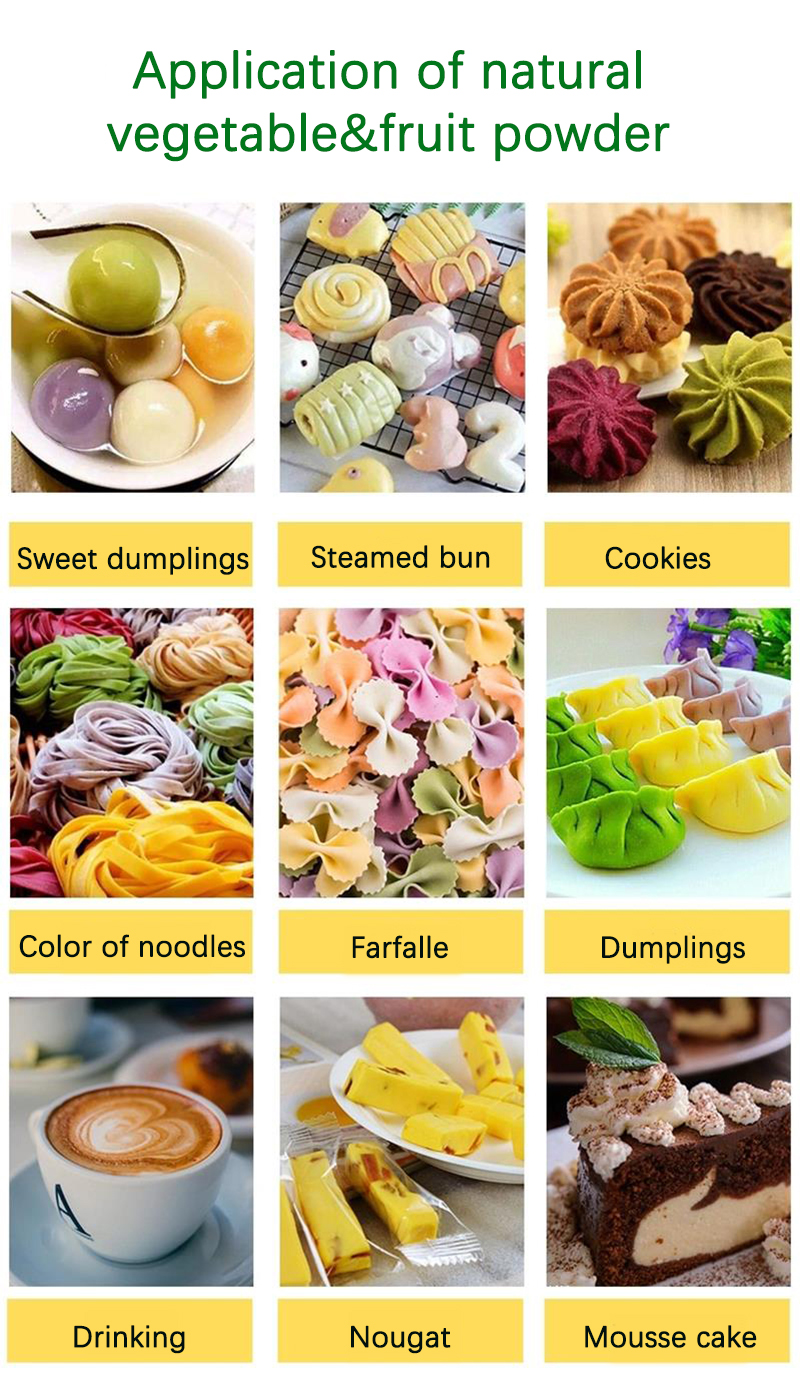
Portioning and dosing: reliable ranges for consistent results
Dosing depends on the base recipe and the desired intensity. Therefore, a few simple ranges help create predictability. Too little fruit can disappear in heavy bases. However, too much fruit can push acidity too far.
Dry toppings and bowls
-
Light accent: 2–4 g per serving
-
Noticeable berry pop: 5–8 g per serving
-
Premium garnish layer: 8–12 g per serving
Bars, cookies, and baked inclusions
-
Mild fruit note: 1–2% by weight
-
Balanced fruit presence: 3–5% by weight
-
Bold fruit impact: 6%+ with breakage control
Powder in dry blends and frostings
-
Light tint and aroma: 0.5–1%
-
Strong flavor: 1–3%
-
Intense color: 3%+ depending on base tone
Selection thinking: what to evaluate before choosing a batch
Selection should focus on performance, not only taste. Therefore, appearance, moisture behavior, and particle size matter. In addition, consistency across lots supports stable recipes. Consequently, a short checklist improves decisions.
Ingredient statement clarity
A simple ingredient statement reduces complexity in formulation. Moreover, it aligns with clean-label goals that many categories prefer. Therefore, selecting fruit-forward statements can simplify downstream labeling.
What to look for
-
Clear fruit identification
-
No unnecessary sweeteners
-
No artificial color claims
Moisture behavior and texture expectations
Crispness depends on moisture and structure. Therefore, pieces should feel dry and light on opening. Additionally, sticky feel can indicate humidity exposure. Consequently, texture checks should happen immediately after opening a pack.
Quick checks
-
Crisp snap rather than chew
-
Low stickiness on fingers
-
Limited dust for piece formats
-
Powder that flows without heavy clumping
Particle size and application match
Particle size decides distribution. Whole berries create visual impact but can crack. Meanwhile, granules distribute evenly but may settle. Therefore, selection should align with packaging and the eating style.
Simple matching rules
-
Whole berries: garnish and premium mixes
-
Slices: granola and bark
-
Granules: bars and cookies
-
Powder: drinks, frosting, dry blends
Color and aroma consistency
Color should look natural and even. Additionally, aroma should smell clean and fruit-forward, not stale. Therefore, sensory checks remain valuable even with lab testing.
Sensory cues
-
Bright berry smell without musty notes
-
Even red tone for raspberry formats
-
Minimal browning or gray cast
-
Clean finish with balanced tartness
Packaging and storage strategies that protect quality
Packaging often decides whether texture remains crisp. Therefore, barrier choice matters, especially in humid climates. Oxygen and humidity both impact aroma over time. Consequently, packaging decisions should match the supply chain length.
Barrier packaging for humidity protection
Moisture-barrier laminates reduce softening risk. Moreover, small pack sizes reduce repeated exposure after opening. Therefore, pack design should reflect real usage patterns.
Packaging ideas that work
-
Resealable pouches for repeated use
-
Single-serve toppers for dairy applications
-
Inner liners for bulk cartons
-
Desiccant options when appropriate and compliant
Storage conditions that reduce quality loss
Cool and dry storage supports aroma stability. Additionally, avoiding strong light reduces color fading risk. Therefore, storage instructions should stay simple and consistent across batches.
Storage basics
-
Keep away from heat sources
-
Keep away from direct sunlight
-
Seal tightly after opening
-
Avoid high-humidity storage rooms
Smart pairing menus: four repeatable “snacking sets”
Systems reduce decision fatigue. Therefore, repeatable sets help keep usage consistent. Each set below uses a stable logic: texture contrast plus flavor balance. Moreover, each set can be adjusted without losing its core structure.
Set 1: Crisp + creamy
Creamy bases soften tartness and feel satisfying. Meanwhile, crisp berries add aroma and bite. Therefore, this set fits breakfast and afternoon breaks.
Examples
-
Yogurt-style base + berry pieces + toasted oats
-
Cottage-cheese style bowl + berry powder + cinnamon
-
Kefir smoothie base + banana note + berry powder
Set 2: Tart + dark cocoa
Cocoa adds depth and reduces perceived sharpness. Additionally, salt can sharpen aroma without extra sweetness. Consequently, this set works well in bars and bark.
Examples
-
Dark chocolate bark + berry granules + sea salt
-
Almond mix + cacao nibs + berry pieces
-
Toasted cereal clusters + berry granules + cocoa dust
Set 3: Bright + citrus
Citrus makes berry feel more refreshing. However, acidity stacks quickly, so dosing should stay moderate. Therefore, small amounts often work best.
Examples
-
Lemon oat bowl + berry pieces + coconut chips
-
Citrus chia pudding + berry powder swirl
-
Green tea notes + berry pieces as a side snack
Set 4: Savory contrast
Savory systems need a careful touch. Therefore, berry should act like a bright accent, not the main flavor. In addition, pepper notes add complexity and keep the concept grounded.
Examples
-
Salad topper blend: berry granules + nuts + cracked pepper
-
Grain bowl accent: berry pieces + herbs + tangy dressing
-
Finishing seasoning: berry powder + mild chili + salt
FAQ: common questions and clear answers
What is the biggest practical benefit of freeze-drying raspberries?
The biggest benefit is stable crisp texture with strong berry aroma. Moreover, the fruit stays lightweight and easy to portion.
How does this compare with traditional dried raspberries?
Traditional dried fruit often becomes chewy and more “cooked” in flavor. However, freeze-dried fruit usually tastes brighter and feels lighter.
Do whole berries always stay crunchy?
Crunch depends on moisture exposure after opening. Therefore, tight sealing and humidity control matter as much as the ingredient.
Why do berry pieces soften in yogurt?
Moisture migrates into the fruit’s porous structure. Consequently, the piece softens and loses snap over time.
What is the best way to keep crunch in dairy snacks?
Separation works best. For example, topper packs keep fruit dry until serving.
Is powder better than pieces for drinks?
Powder dissolves more evenly and colors the drink consistently. Meanwhile, pieces may leave fragments depending on blending strength.
Can berry powder tint frosting without artificial colors?
Yes, berry powder can add pink-red tones and berry aroma. However, final color depends on the base frosting color.
What pairing reduces tartness without adding syrupy sweetness?
Creamy bases, vanilla notes, and mild nuts reduce sharpness. Additionally, banana or mango notes can round acidity.
What pairing makes the berry profile feel more premium?
Dark chocolate and toasted notes add depth. Moreover, a small salt note sharpens aroma and improves balance.
Why does some product look darker than expected?
Natural variation can come from variety, harvest timing, and oxidation. Therefore, moisture control and storage reduce drift.
How can breakage be reduced in mixes?
Add fruit later in mixing and reduce compression. Additionally, granules often resist breakage better than whole berries.
What format works best inside baked goods?
Granules and diced pieces distribute more evenly. Meanwhile, whole berries can crack during mixing and baking.
Does berry aroma fade during long storage?
Aroma can fade if oxygen and humidity enter the pack. Therefore, barrier packaging and tight sealing protect aroma longer.
What is a simple way to test performance quickly?
A small pilot mix can be stored for a short period and re-checked. Additionally, texture and aroma should be evaluated after opening and after holding.
Summary
Smart snacking improves when the ingredient stays crisp, aromatic, and easy to store. Therefore, raspberry formats that hold texture can support breakfast bowls, mix-ins, and travel packs. In addition, pairing with creamy bases or cocoa notes makes tartness feel balanced. For a practical and flexible upgrade, freeze dried raspberry fits well across many dry and mixed snack scenarios.
3 actionable ideas
-
Build a two-texture blend: combine berry pieces with roasted nuts for contrast.
-
Use powder as a flavor layer: add it to frostings, drink mixes, or oat bases.
-
Protect crunch intentionally: keep fruit separate from wet bases until serving.